PCB Documentation by μArt.cz
Here you can find images, schematics, and other materials for the printed circuit boards (PCBs) that I designed and offer under the μArt.cz brand.
Here you can find images, schematics, and other materials for the printed circuit boards (PCBs) that I designed and offer under the μArt.cz brand.
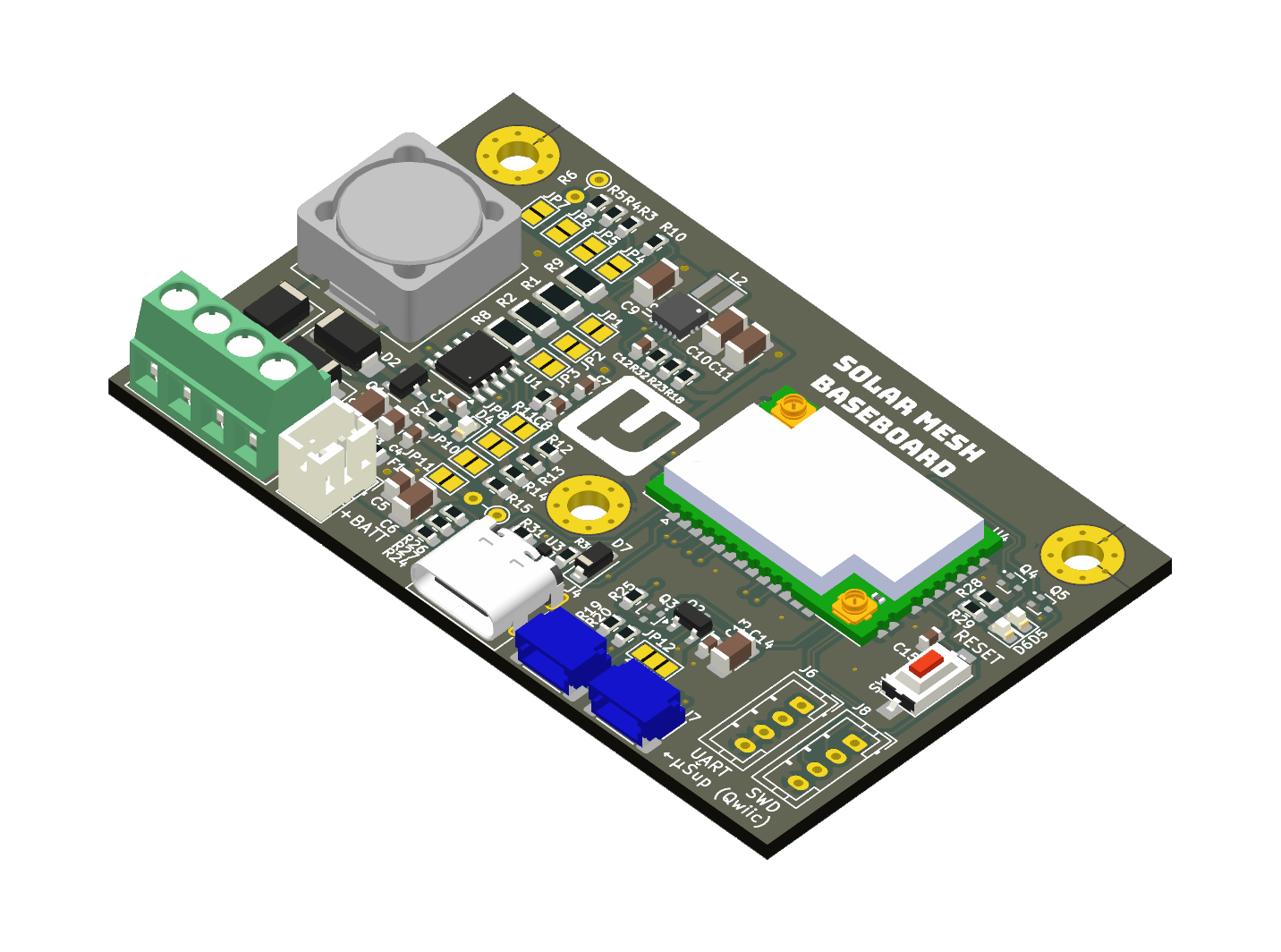
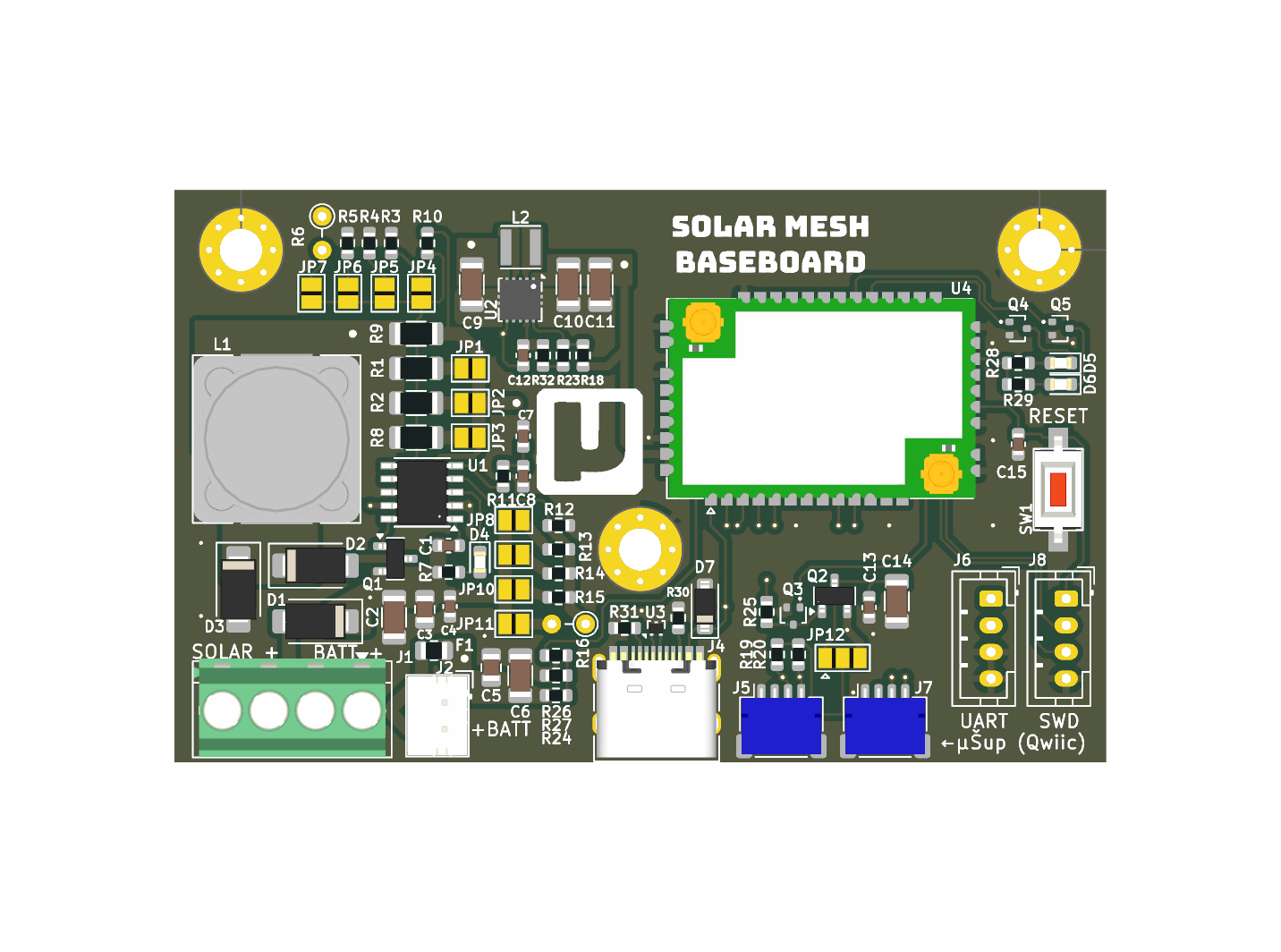
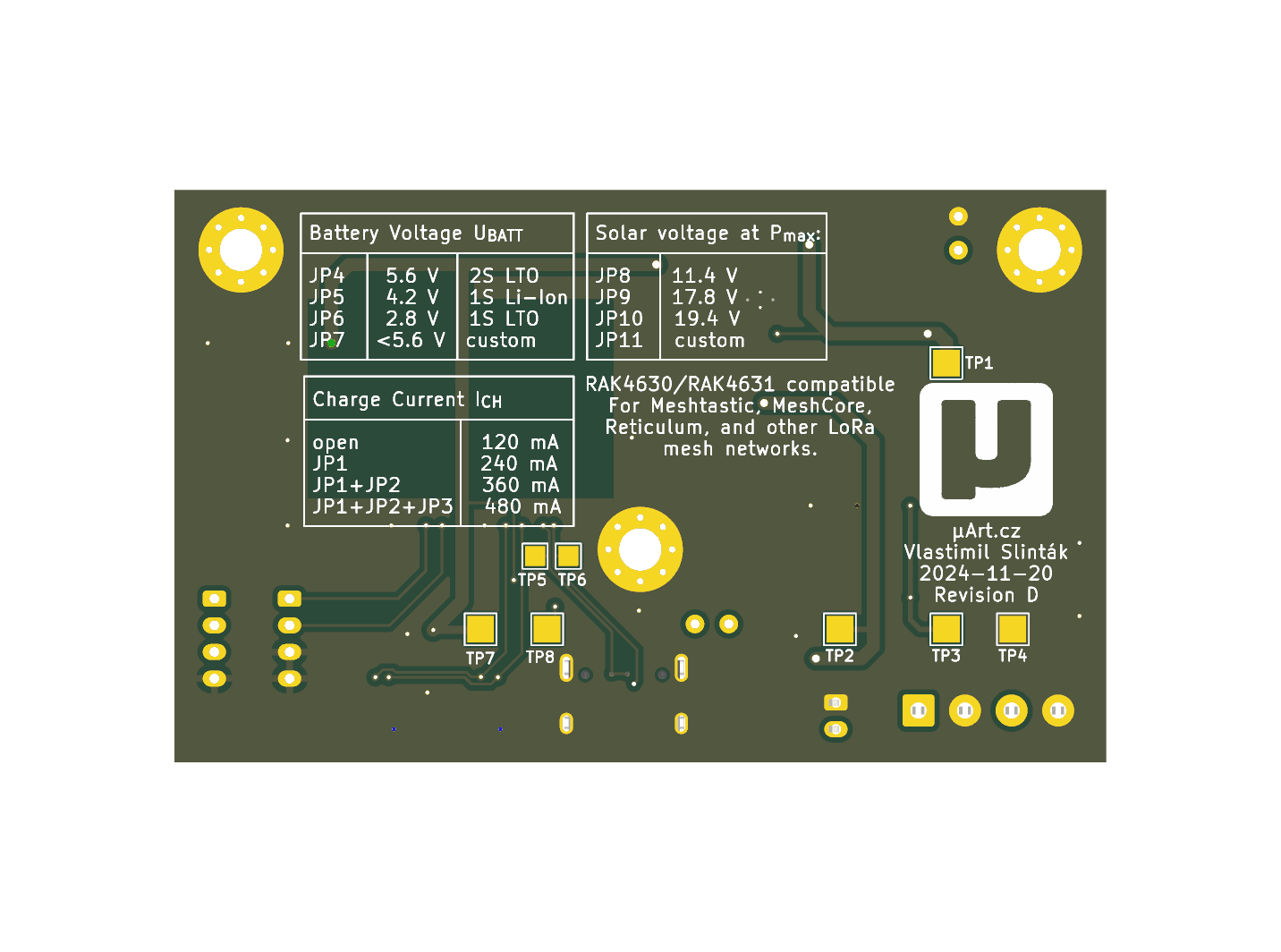
Solar Mesh Baseboard based on the RAK4630 module with a solar MPPT charger for Li-Ion, Li-Po, LiFePO4, or LTO batteries.
From the Meshtastic, MeshCore, or other RAK4630-compatible firmware perspective, the board is identical to a RAK4631 on the RAK19007 baseboard. No compilation or changes are required; simply use the official RAK4631 firmware image.
Solar panel voltage, battery type, and charge current are configured using solder jumpers, so a soldering iron is required.
More information, photos, and a complete schematic description are available here. The product is also available on my Lectronz store: https://lectronz.com/products/solar-mppt-charger-for-meshtastic.
Changes since revision D:
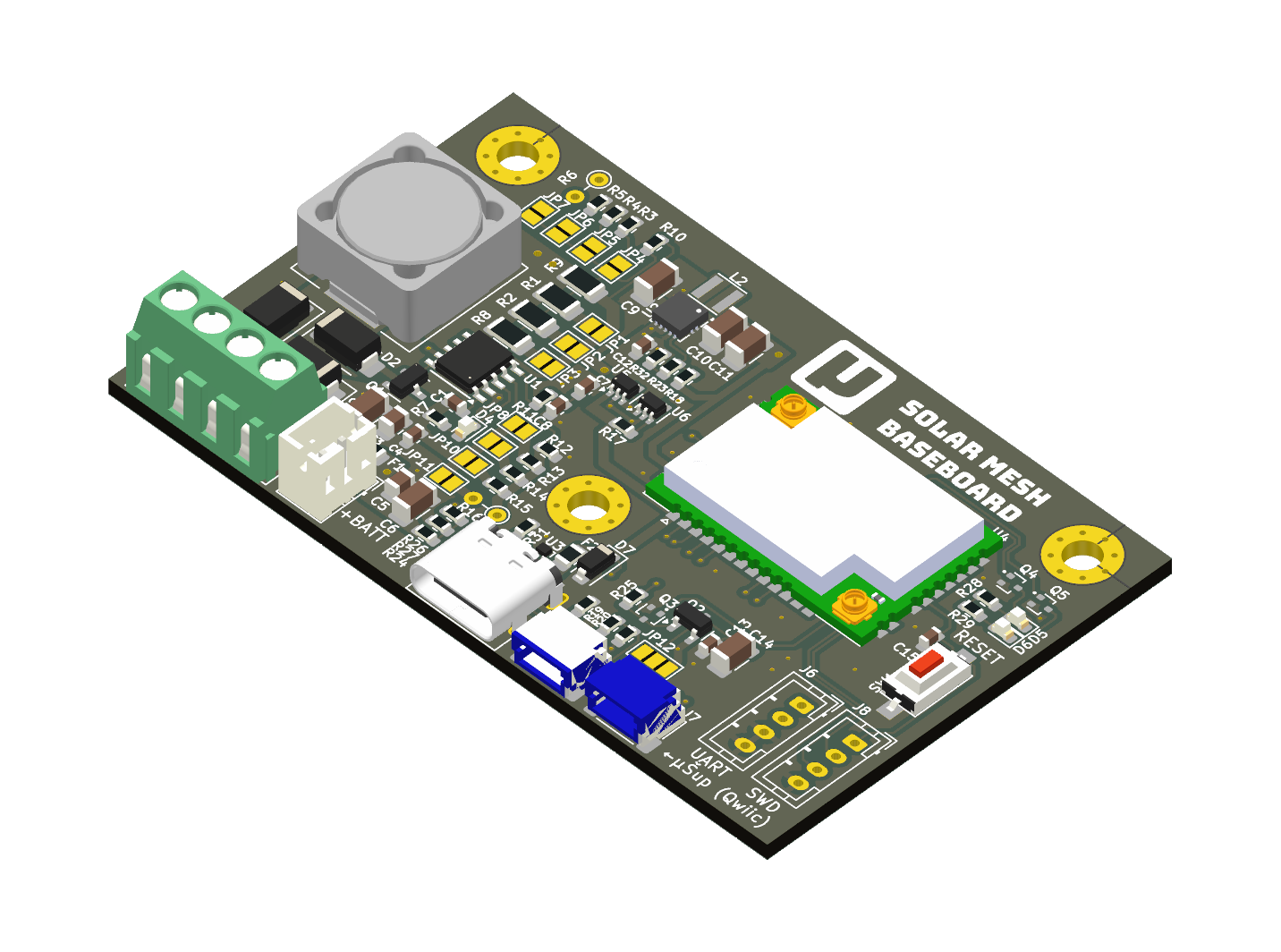
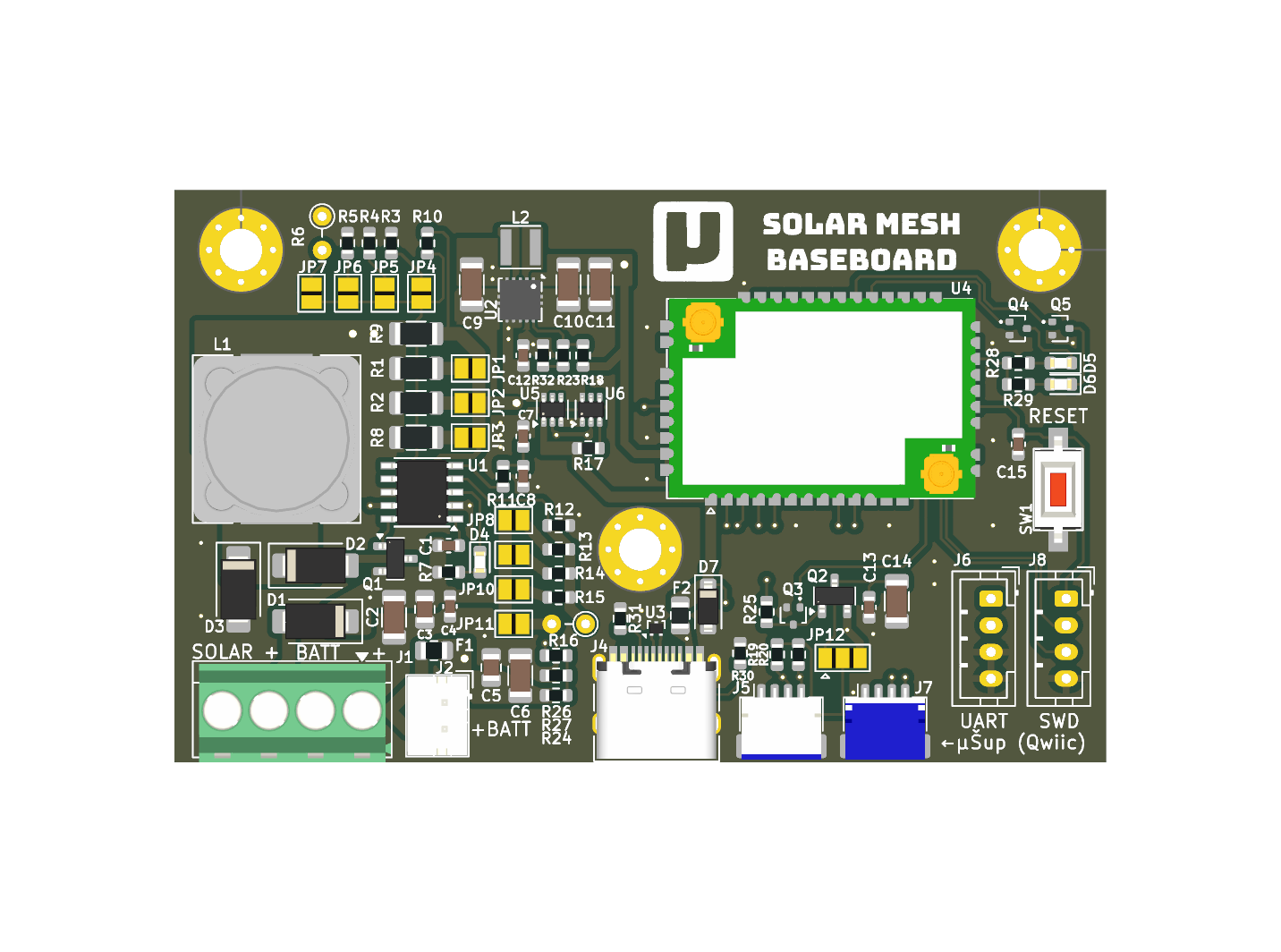
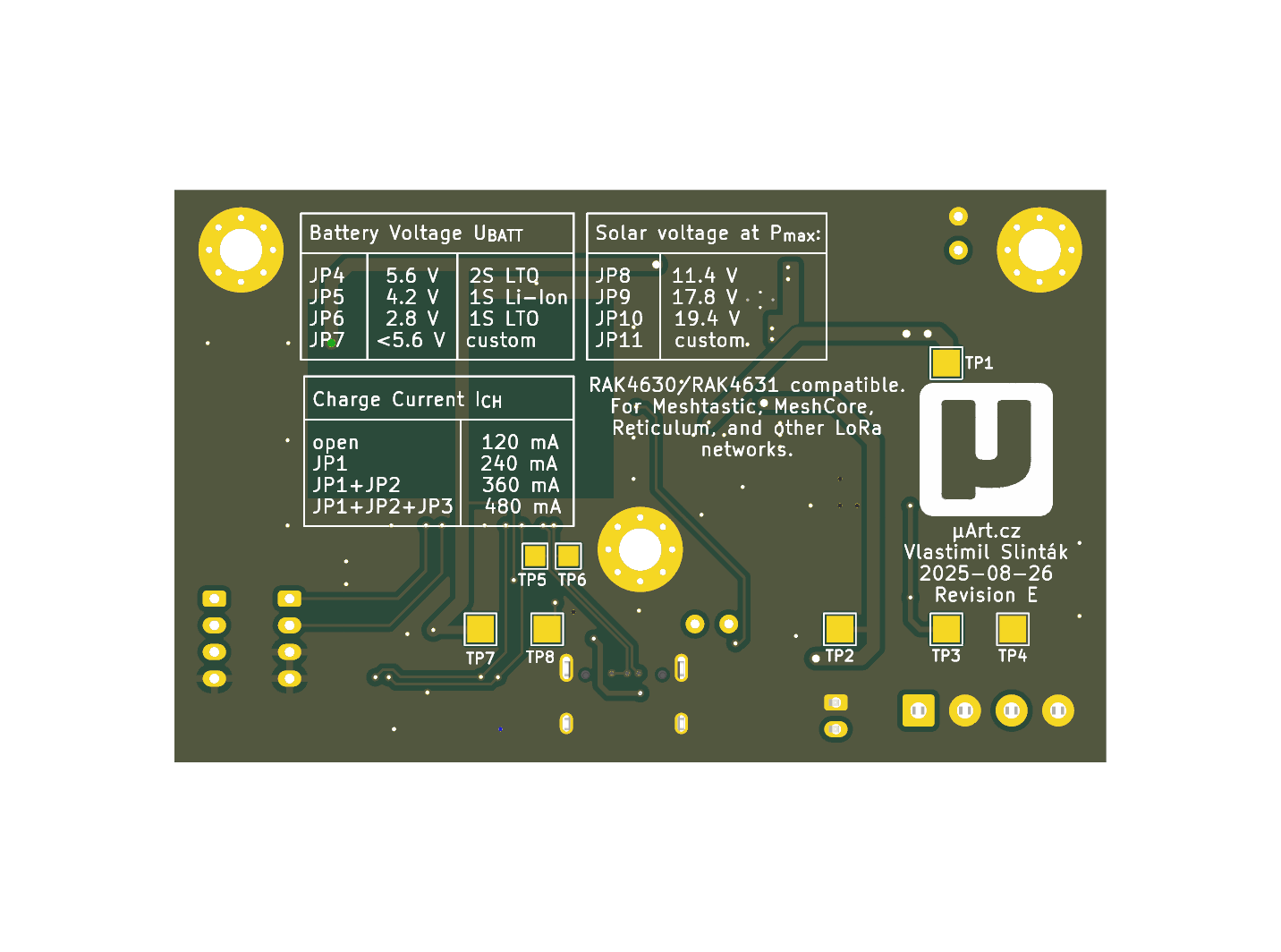
Solar Mesh Baseboard based on the RAK4630 module with a solar MPPT charger for Li-Ion, Li-Po, LiFePO4, or LTO batteries.
From the Meshtastic, MeshCore, or other RAK4630-compatible firmware perspective, the board is identical to a RAK4631 on the RAK19007 baseboard. No compilation or changes are required; simply use the official RAK4631 firmware image.
Solar panel voltage, battery type, and charge current are configured using solder jumpers, so a soldering iron is required.
More information, photos, and a complete schematic description are available here, and the board can be ordered here.
Changes since revision C:
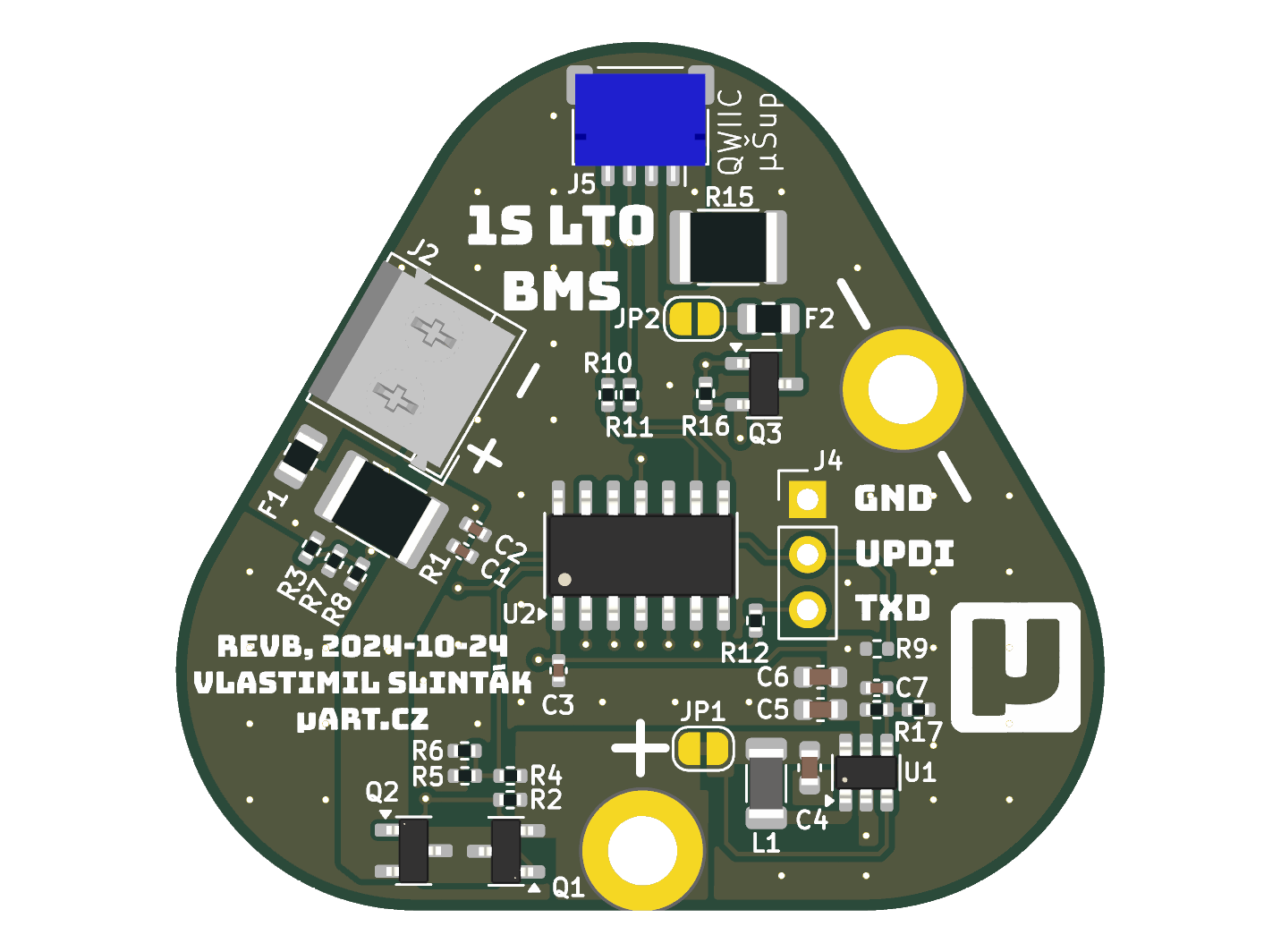
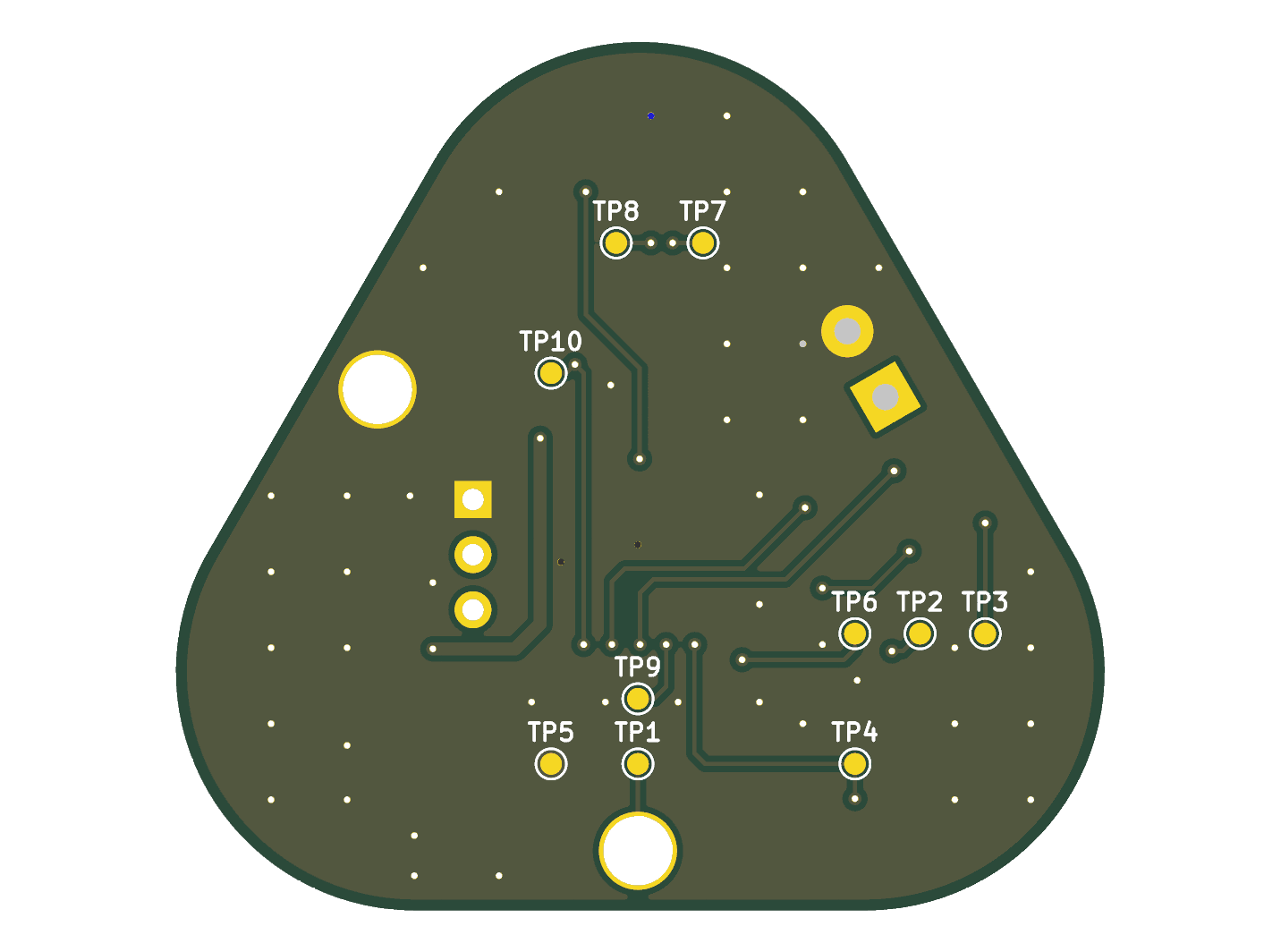
BMS for single-cell (1S) Lithium Titanium Oxide batteries with over-current protection, under-voltage lockout (undervoltage lockout), and over-voltage lockout (overvoltage lockout), including capacity and current measurement.
Measured values such as instantaneous current, cell voltage, total cycle count, SoC (state of charge), and more are available over the I2C bus on the QWIIC/µŠup connector.
The maximum continuous discharge and charge current is 1 A; short-term (up to 10 s) discharge and charge current is 2 A. The minimum cell voltage at which UVLO triggers is 1.7 V by default, and 2.8 V for OVLO. These values can be changed via I2C writes.
This BMS is designed primarily for battery-powered IoT sensors with lower current requirements (up to 1 A), charged by a solar panel, and for outdoor temperatures in Central Europe (-25 to 40 C).
This BMS pairs with the LTO Battery Pack; both boards are designed to be joined to form a single 1S3P LTO pack with electrical protection.
The product is also available on my Lectronz store: https://lectronz.com/products/lto-battery-pack-with-bms.
Changes since revision B:
VBATT.cutoff signal logic is now inverted; the load disconnects when the signal is HIGH.3V3CUTOFF moved to PA5, away from the RXD pin on the ATTiny824.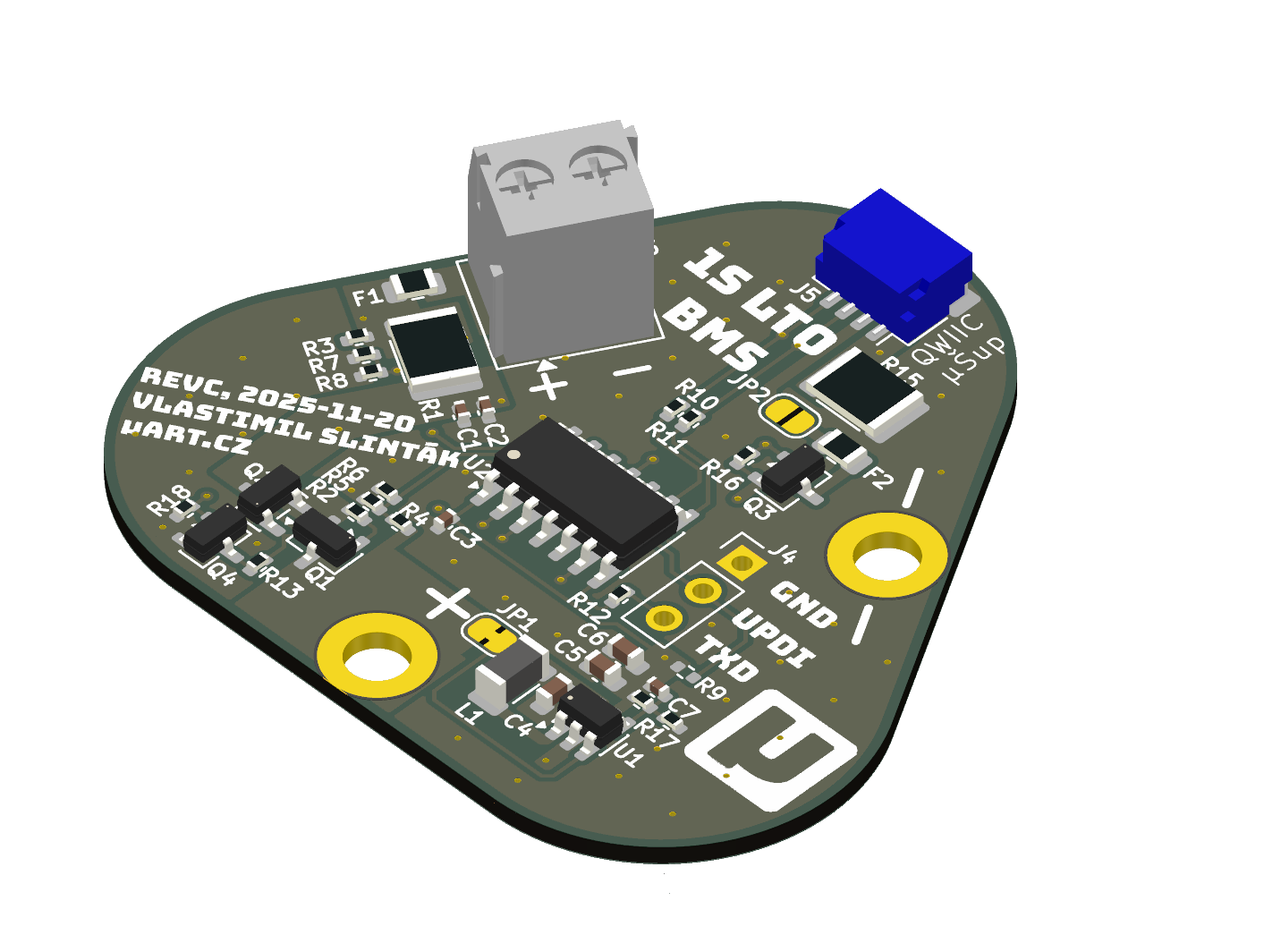
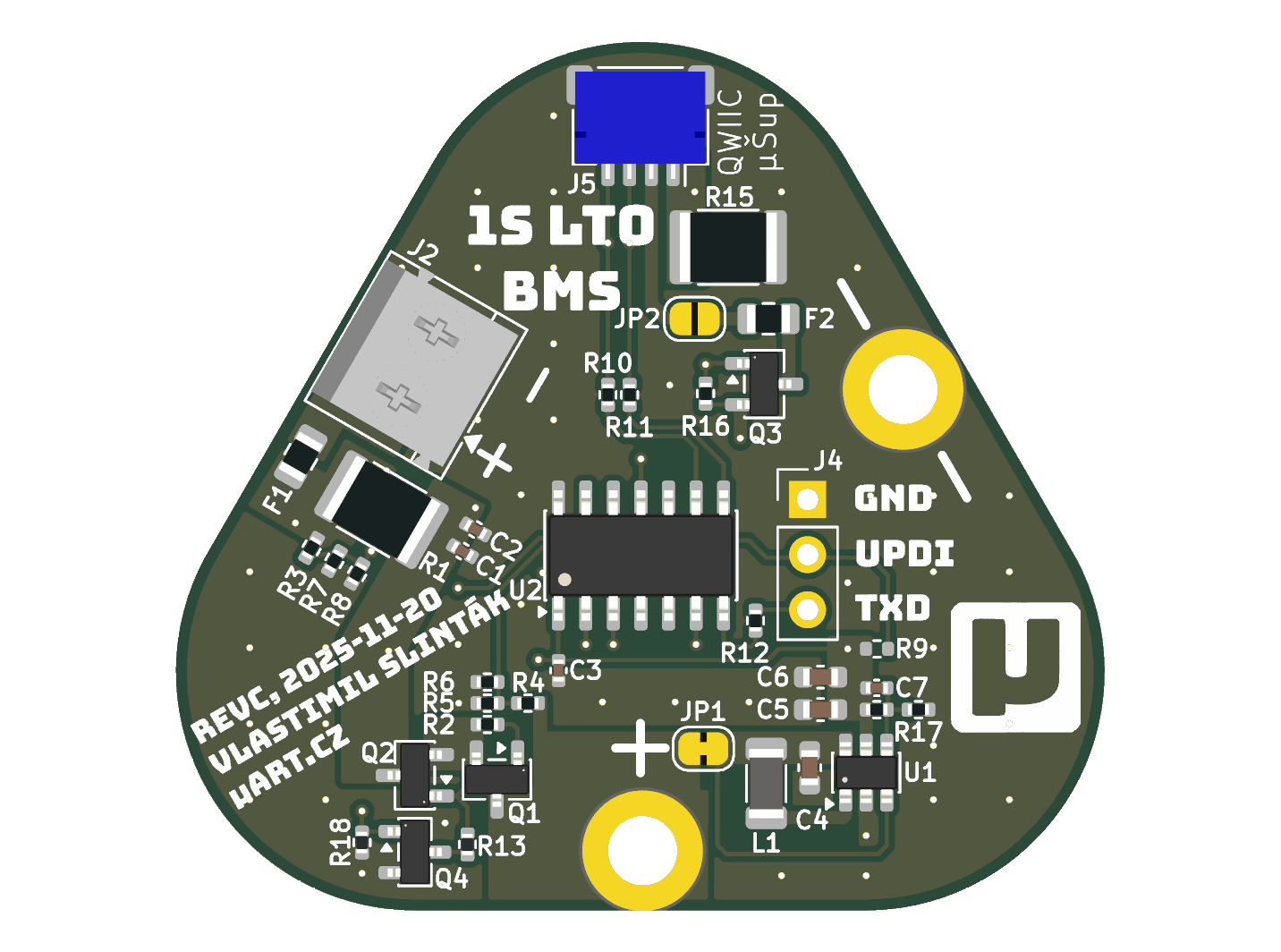
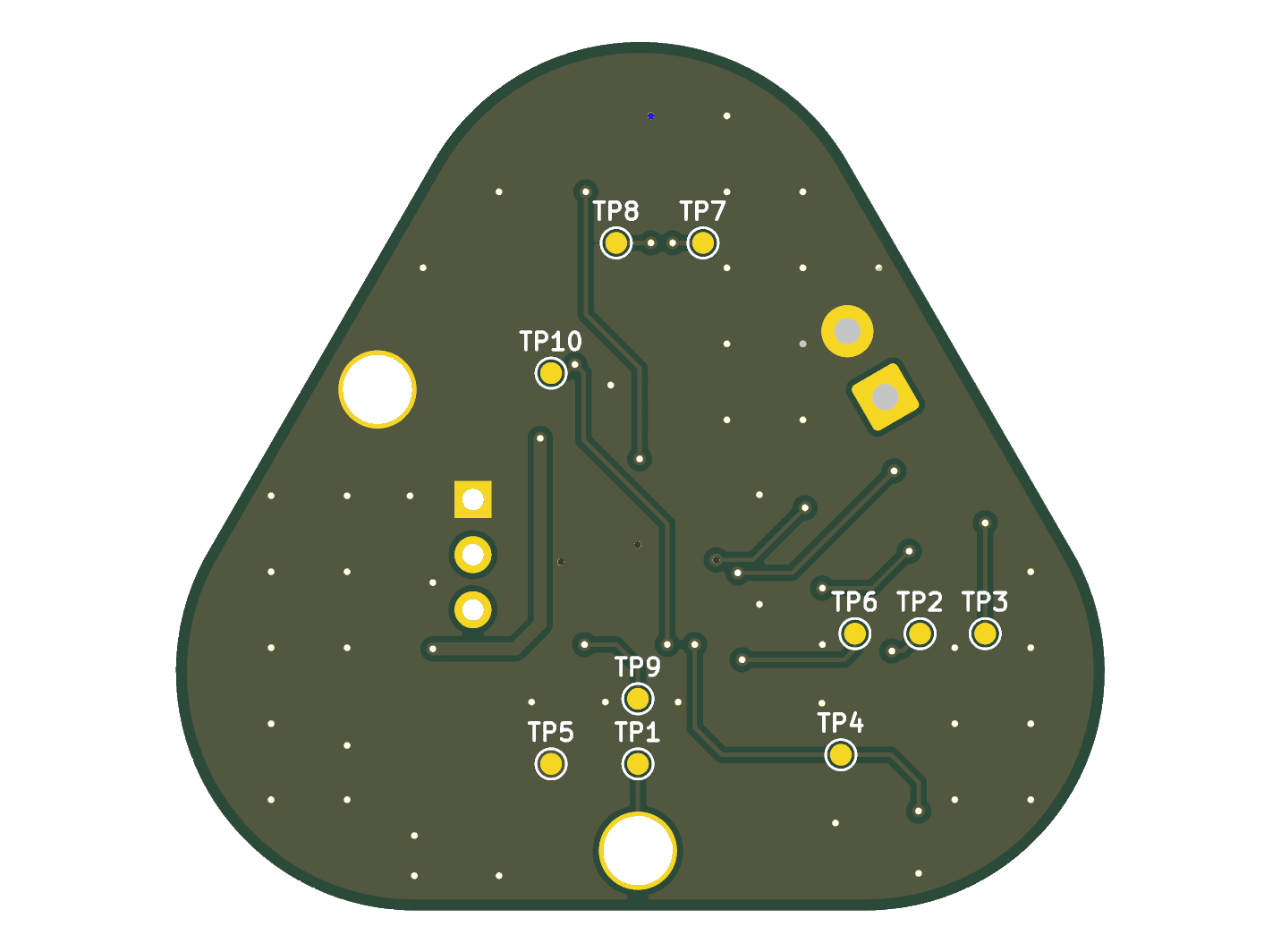
BMS for single-cell (1S) Lithium Titanium Oxide batteries with over-current protection, under-voltage lockout (undervoltage lockout), and over-voltage lockout (overvoltage lockout), including capacity and current measurement.
Measured values such as instantaneous current, cell voltage, total cycle count, SoC (state of charge), and more are available over the I2C bus on the QWIIC/µŠup connector.
The maximum continuous discharge and charge current is 1 A; short-term (up to 10 s) discharge and charge current is 2 A. The minimum cell voltage at which UVLO triggers is 1.7 V by default, and 2.8 V for OVLO. These values can be changed via I2C writes.
This BMS is designed primarily for battery-powered IoT sensors with lower current requirements (up to 1 A), charged by a solar panel, and for outdoor temperatures in Central Europe (-25 to 40 C).
This BMS pairs with the LTO Battery Pack; both boards are designed to be joined to form a single 1S3P LTO pack with electrical protection.
Changes since revision A:
ADC_BATT and ADC_OUT changed; 2.048 V MCU reference can now be used.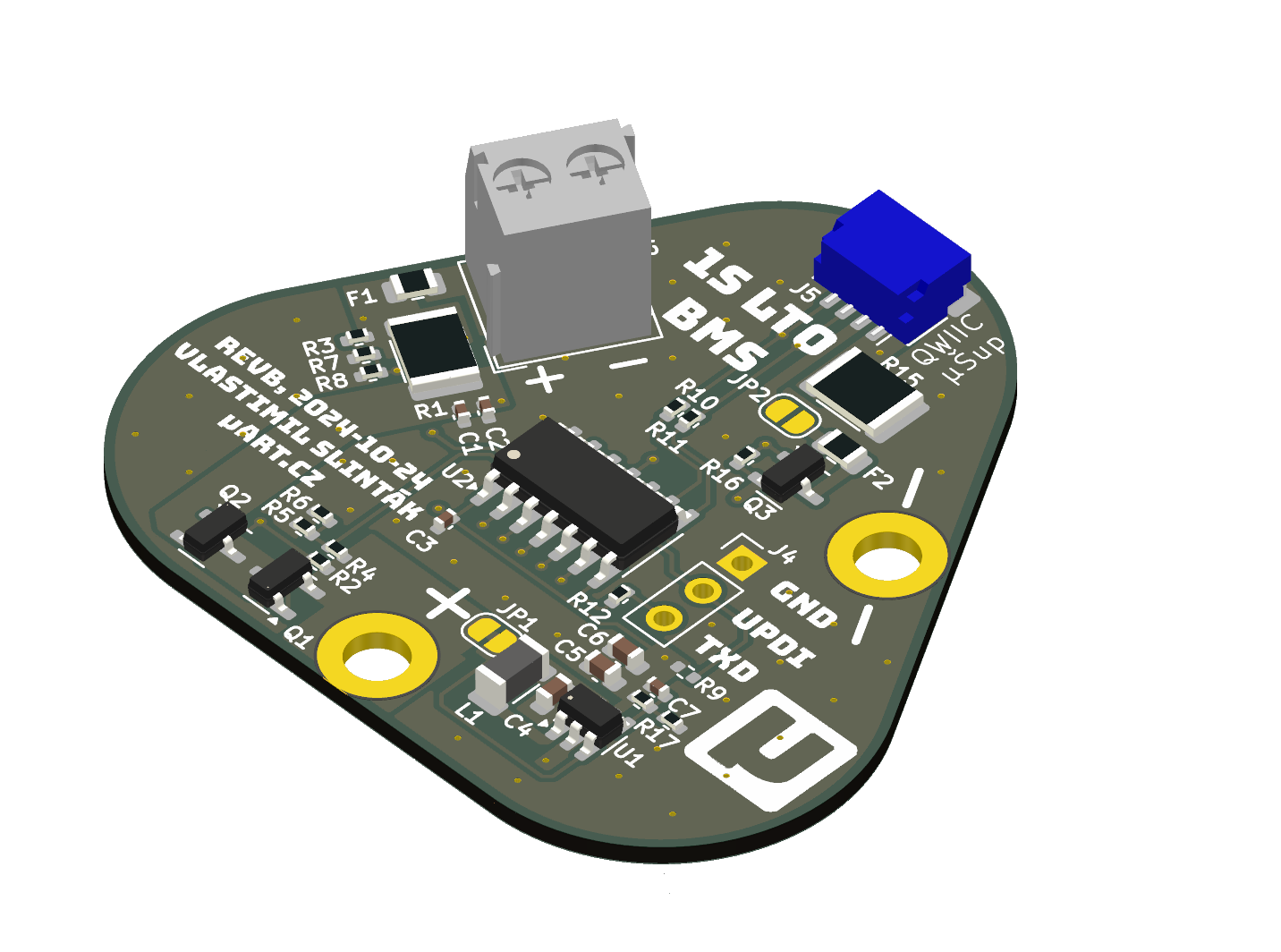
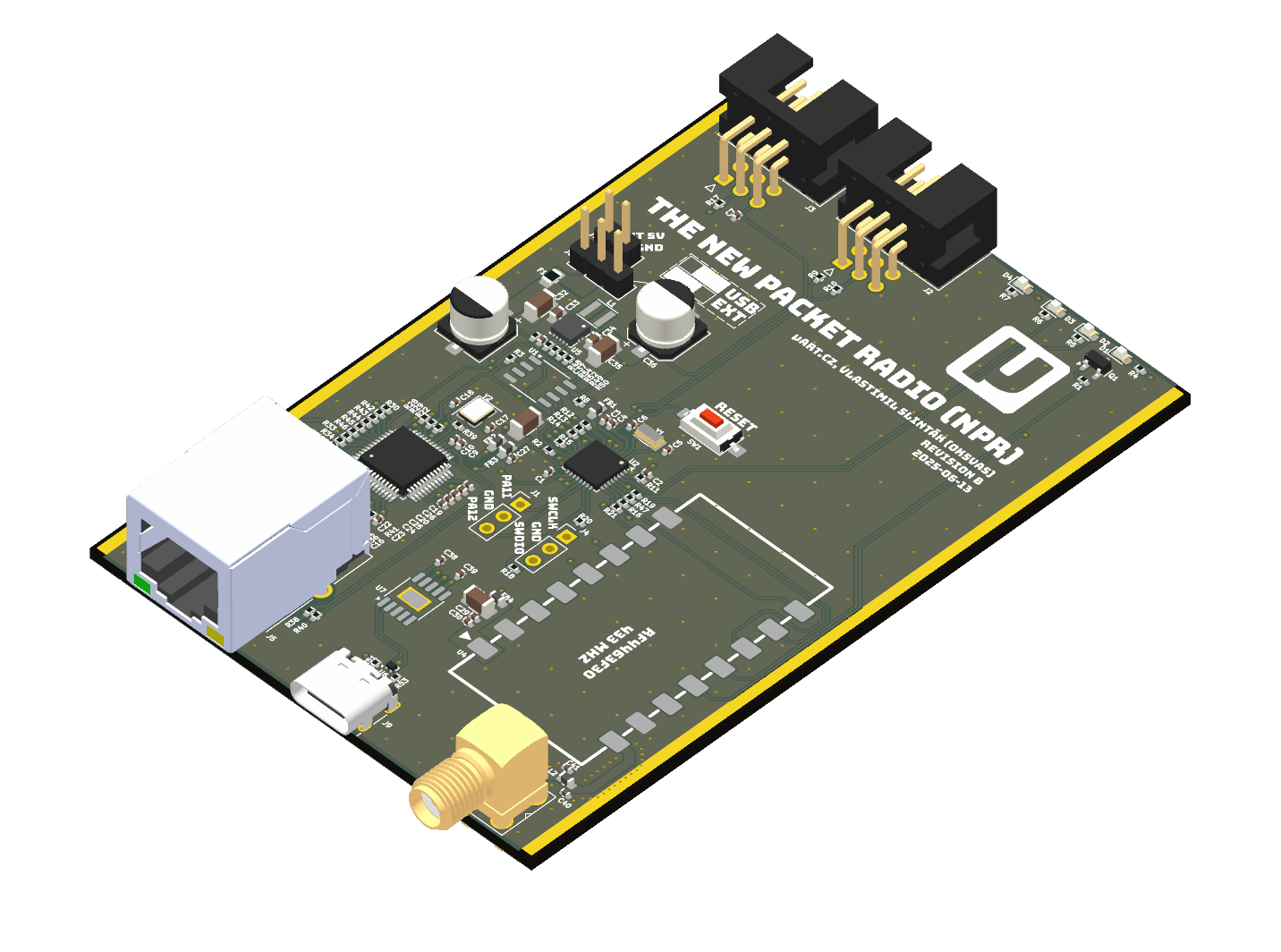
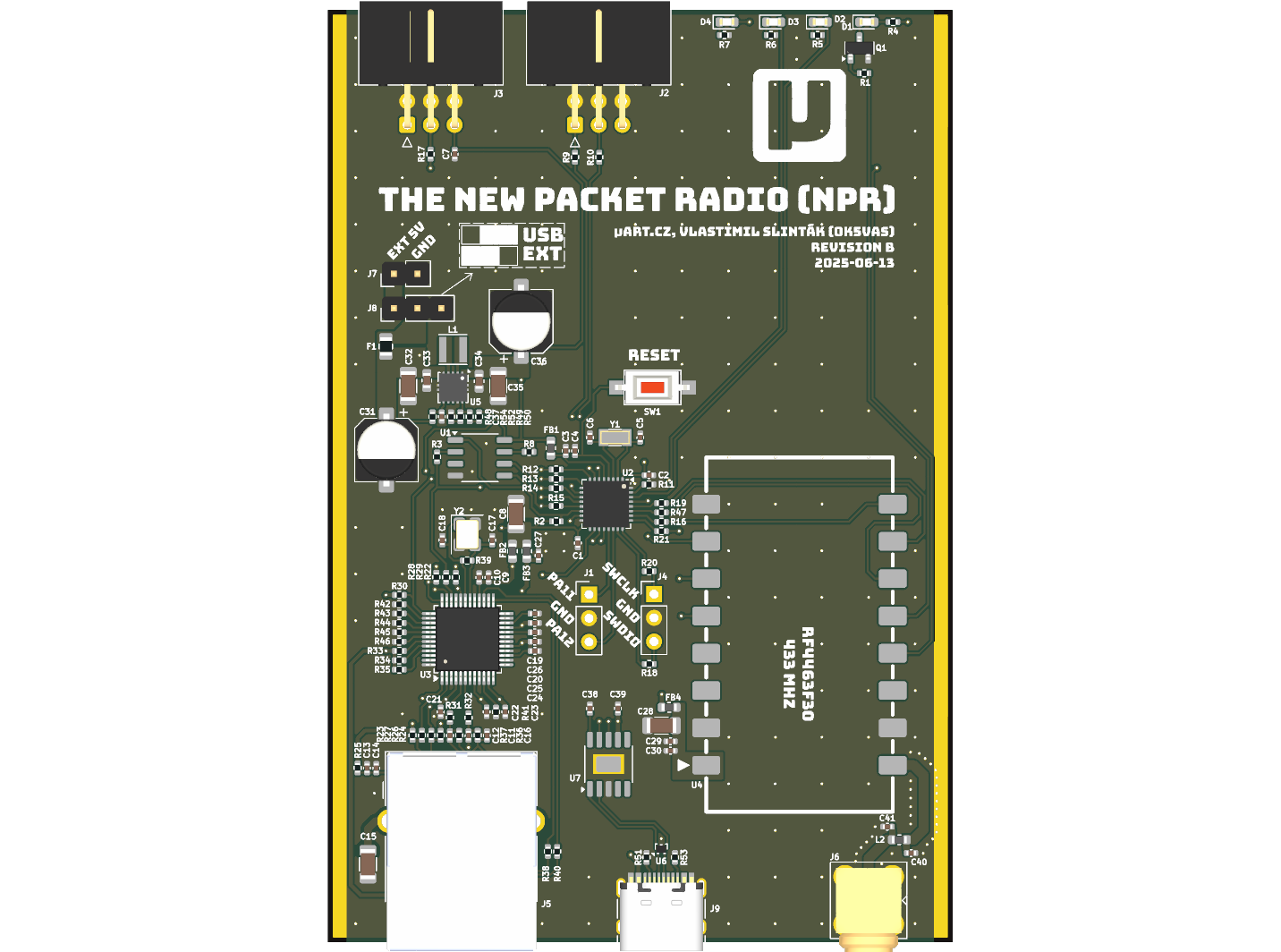
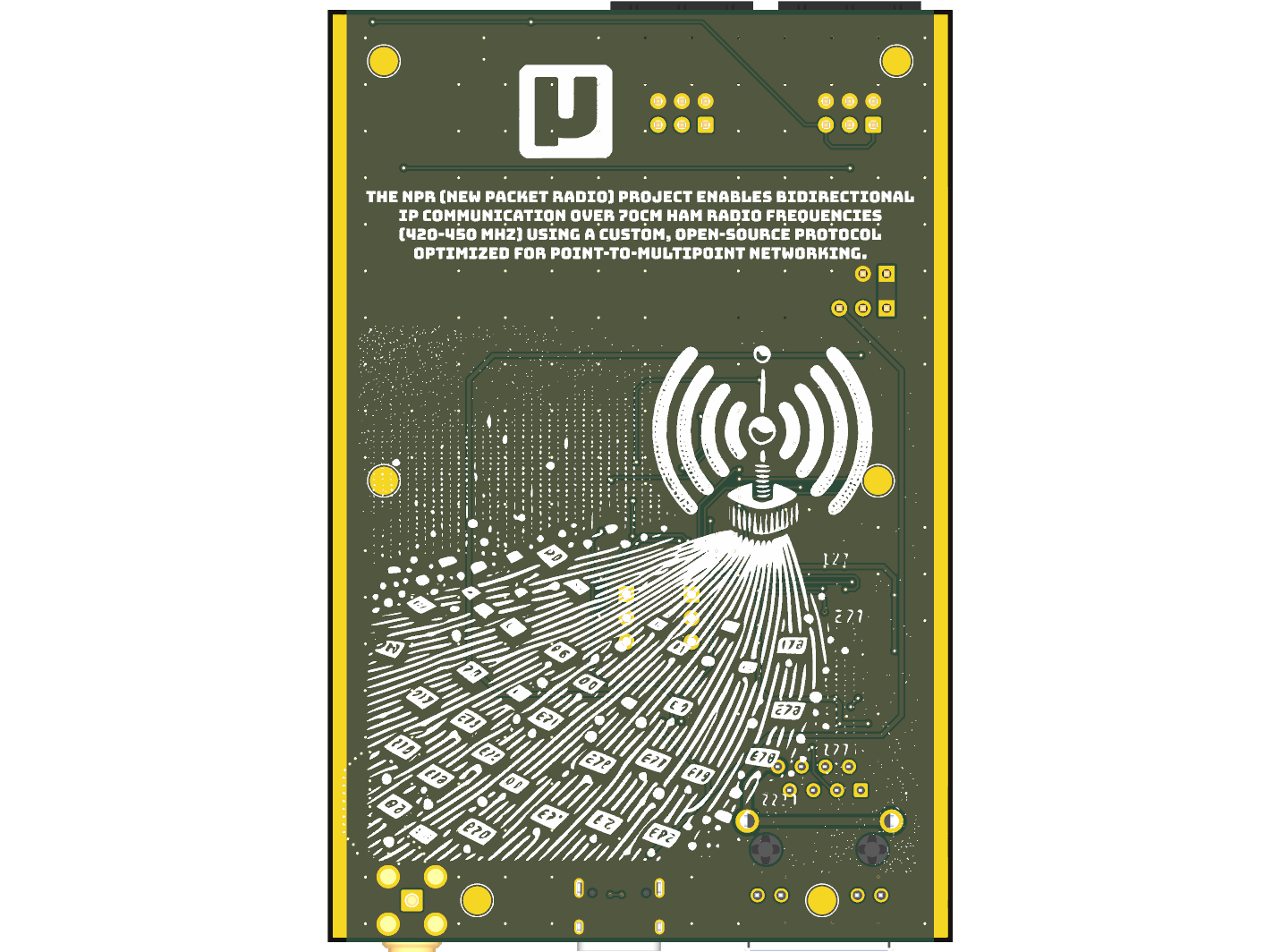
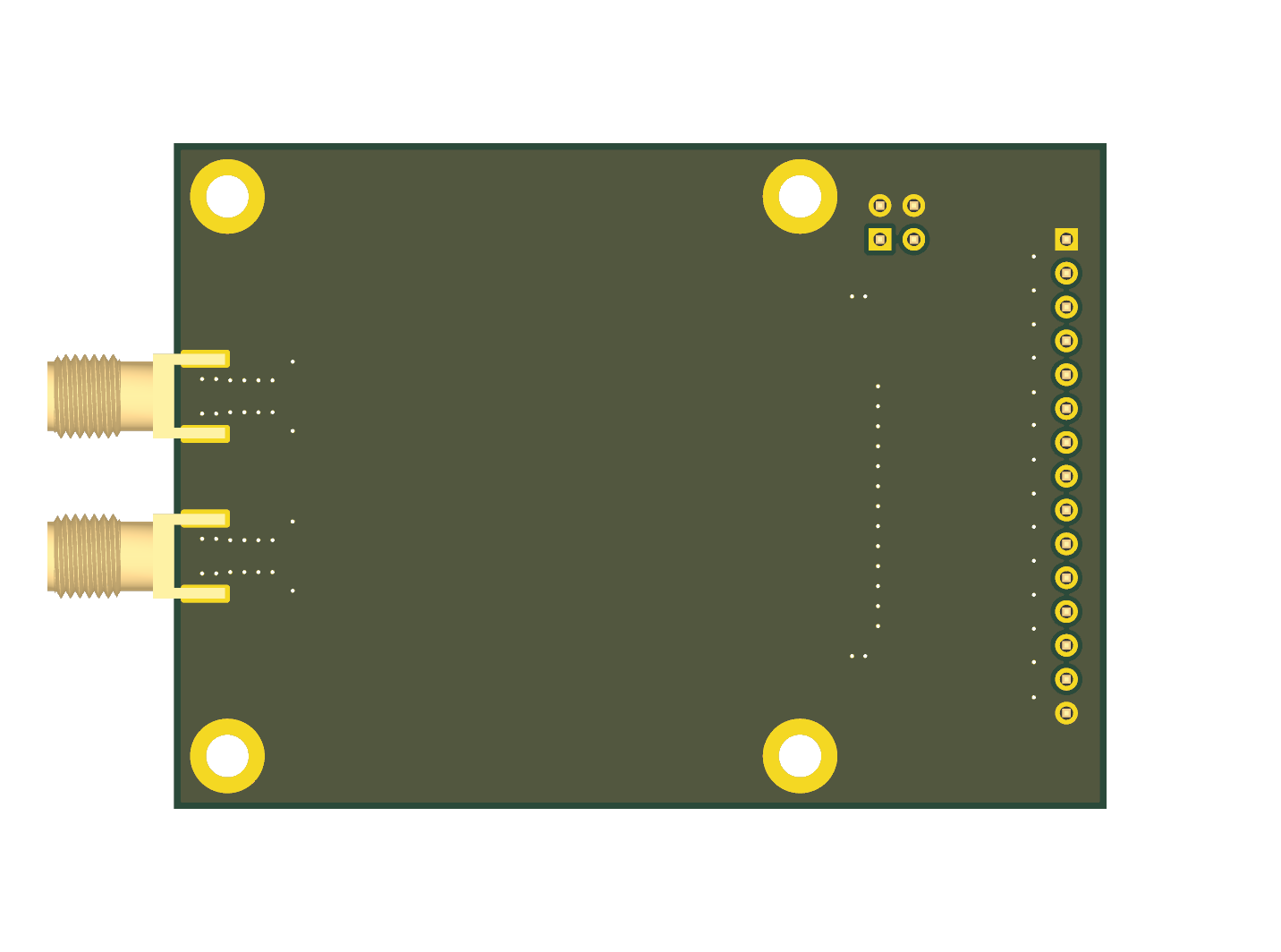
The NPR (New Packet Radio) project enables two-way IP communication on 70 cm amateur radio frequencies (420-450 MHz) using a custom open-source protocol optimized for point-to-multipoint network topology. It uses TDMA for efficient bandwidth utilization and achieves a net throughput of 50 to 500 kbps. The system consists of a relatively low-cost radio modem with integrated Ethernet that requires no special PC software. With an optional power amplifier it can achieve higher transmit power and thus longer range, making it ideal for extending HSMM, Hamnet, and AREDN networks.
The original author of the NPR protocol and the first prototype is F4HDK. More information is available on Hackaday.io.
This PCB uses the RF4463F30 radio module for 433 MHz from NiceRF with a maximum transmit power of approximately 30 dBm.
Changes since revision A:
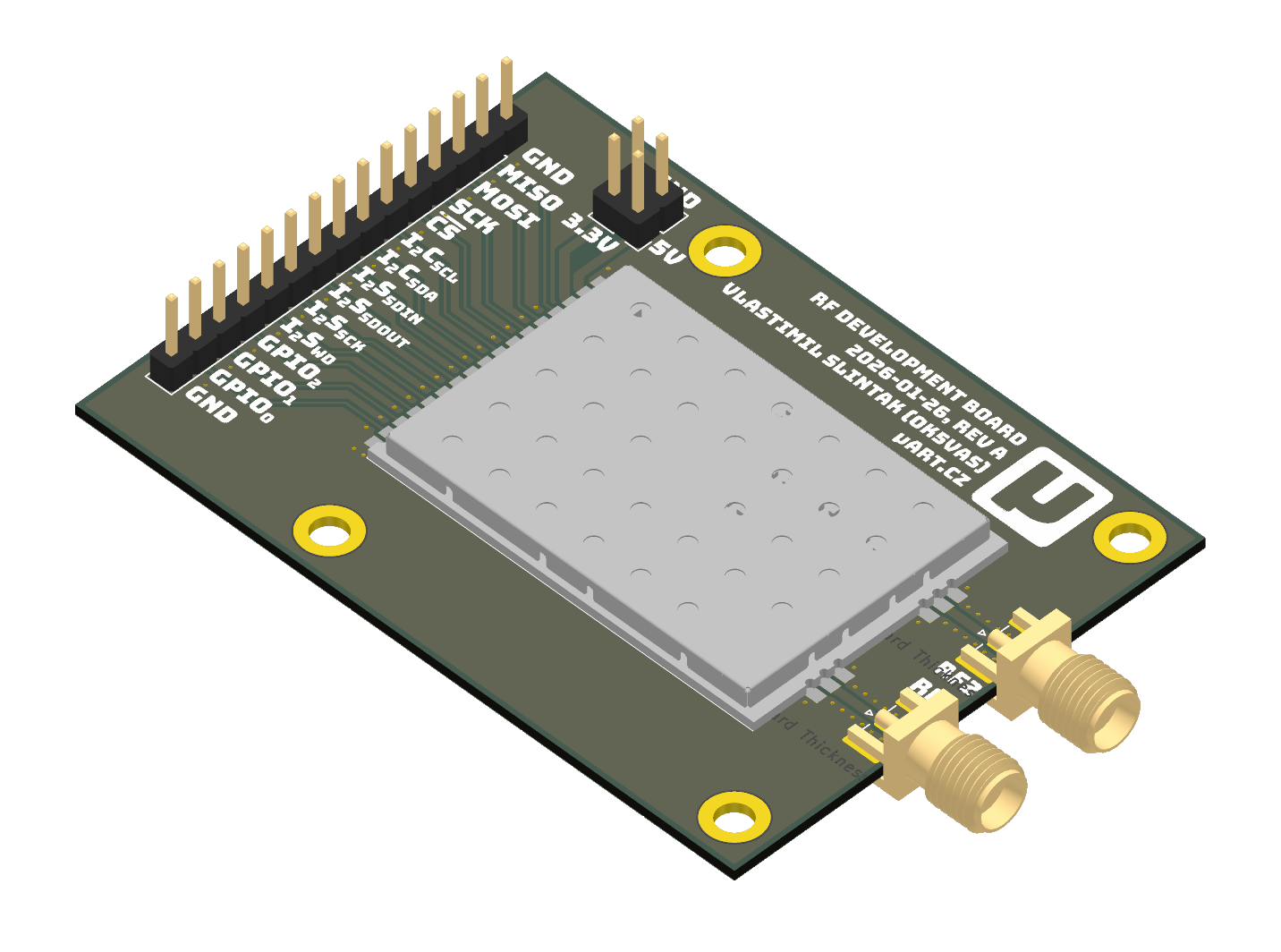
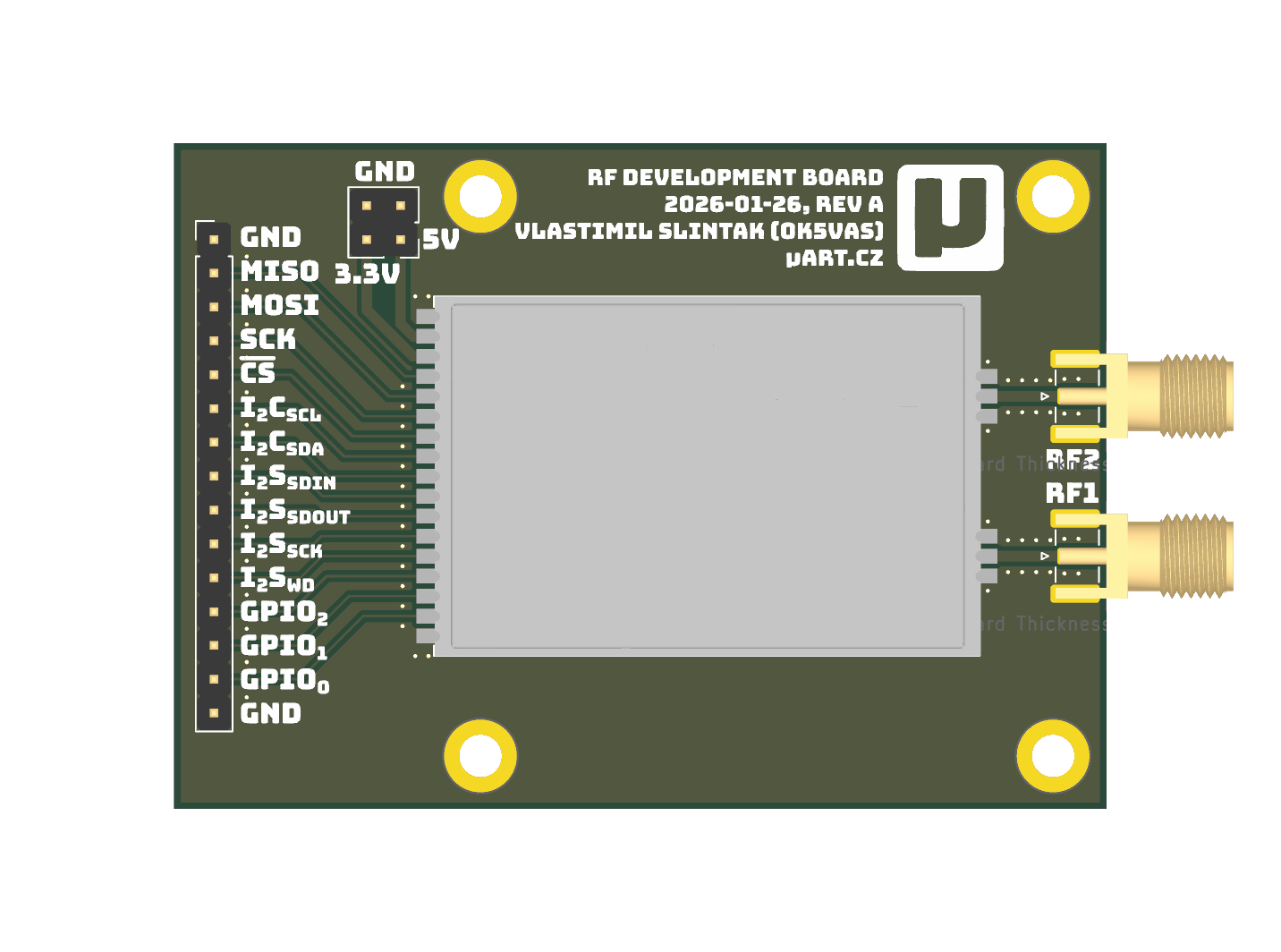
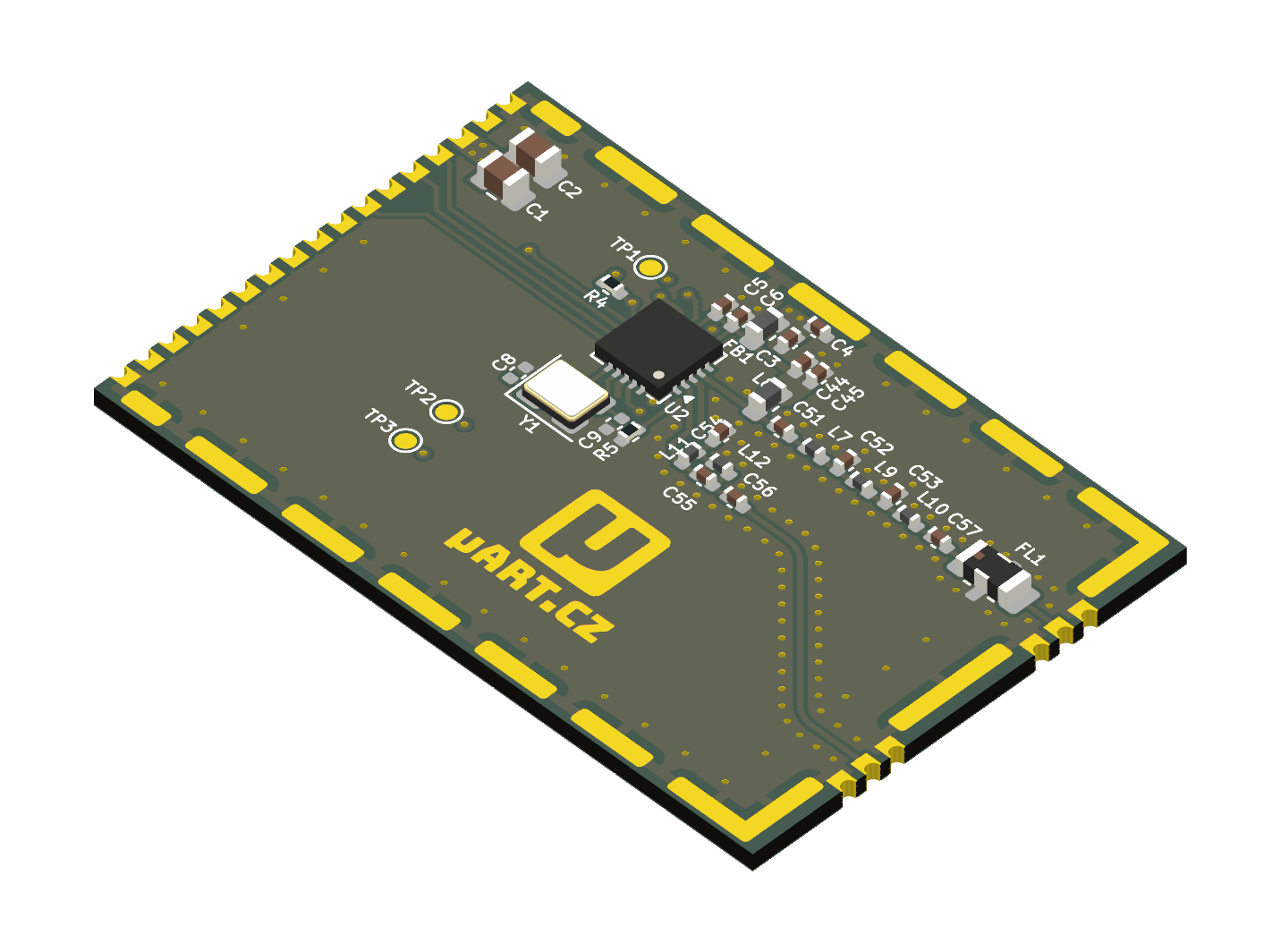
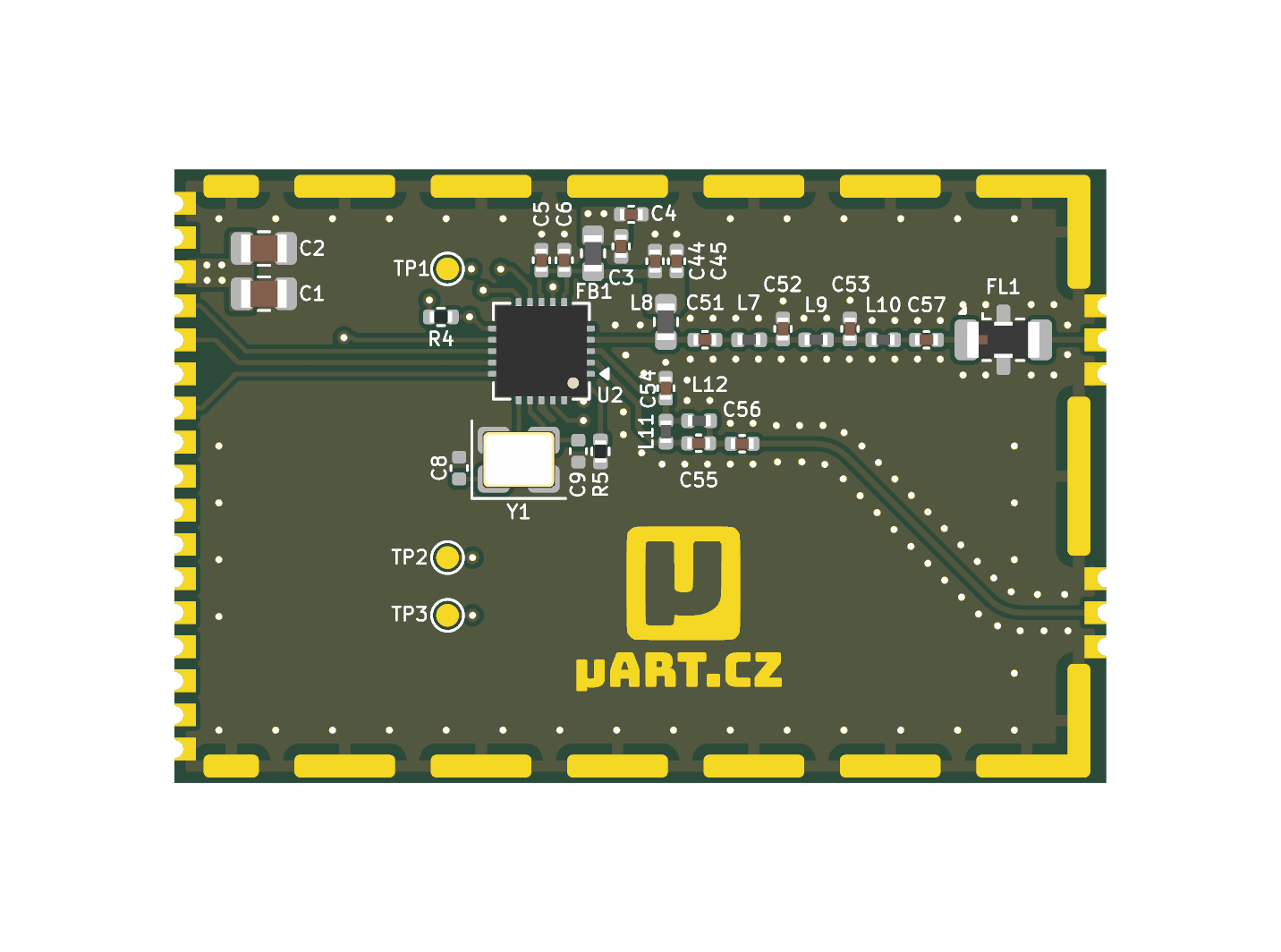
This board is a compact UHF RF module based on the Silicon Labs Si4463 transceiver, designed as a flexible building block for experimental and embedded radio systems.
Unlike commonly available Si4463 modules, this design features fully separated RX and TX signal paths, allowing better control over the RF chain. The transmit path includes a low-pass filter, with no power amplifier (PA) and no dedicated RX filtering present.
The module is powered from a single 3.3 V supply and measures 41 × 27 mm. It uses castellated holes on two sides for easy integration as a daughterboard.
It is intended to be used with the RF Baseboard or RF Devboard, and follows a
unified footprint shared across all RF-* modules designed by me.
The “LP” (Low Power) variant targets applications where minimal RF output power is sufficient, while “UHF” means the target frequencies are in the 70 cm HAM band.
This board was originally developed for New Packet Radio as a replacement for widely available SI4463 modules, which typically do not provide separate RX and TX paths.

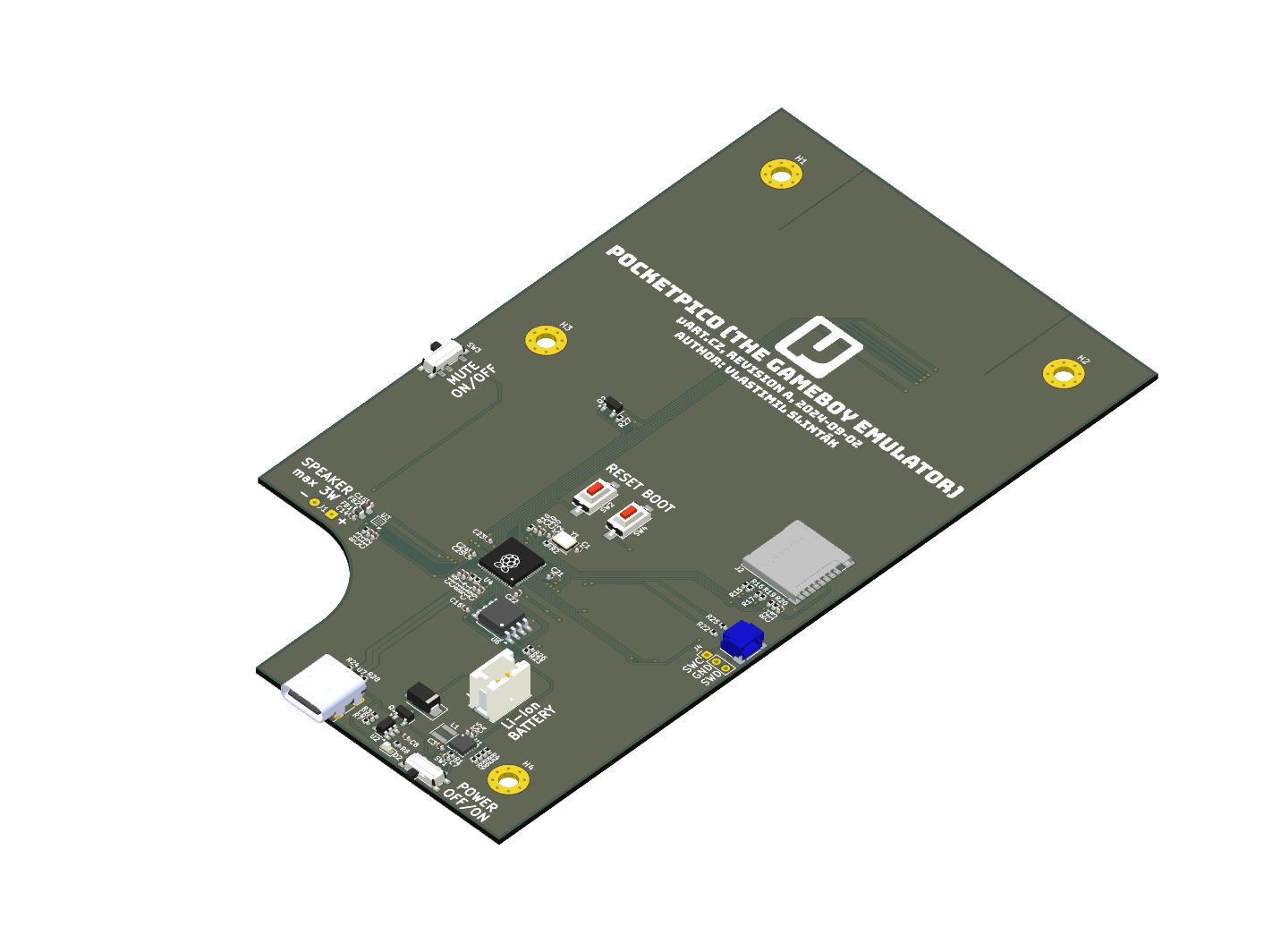
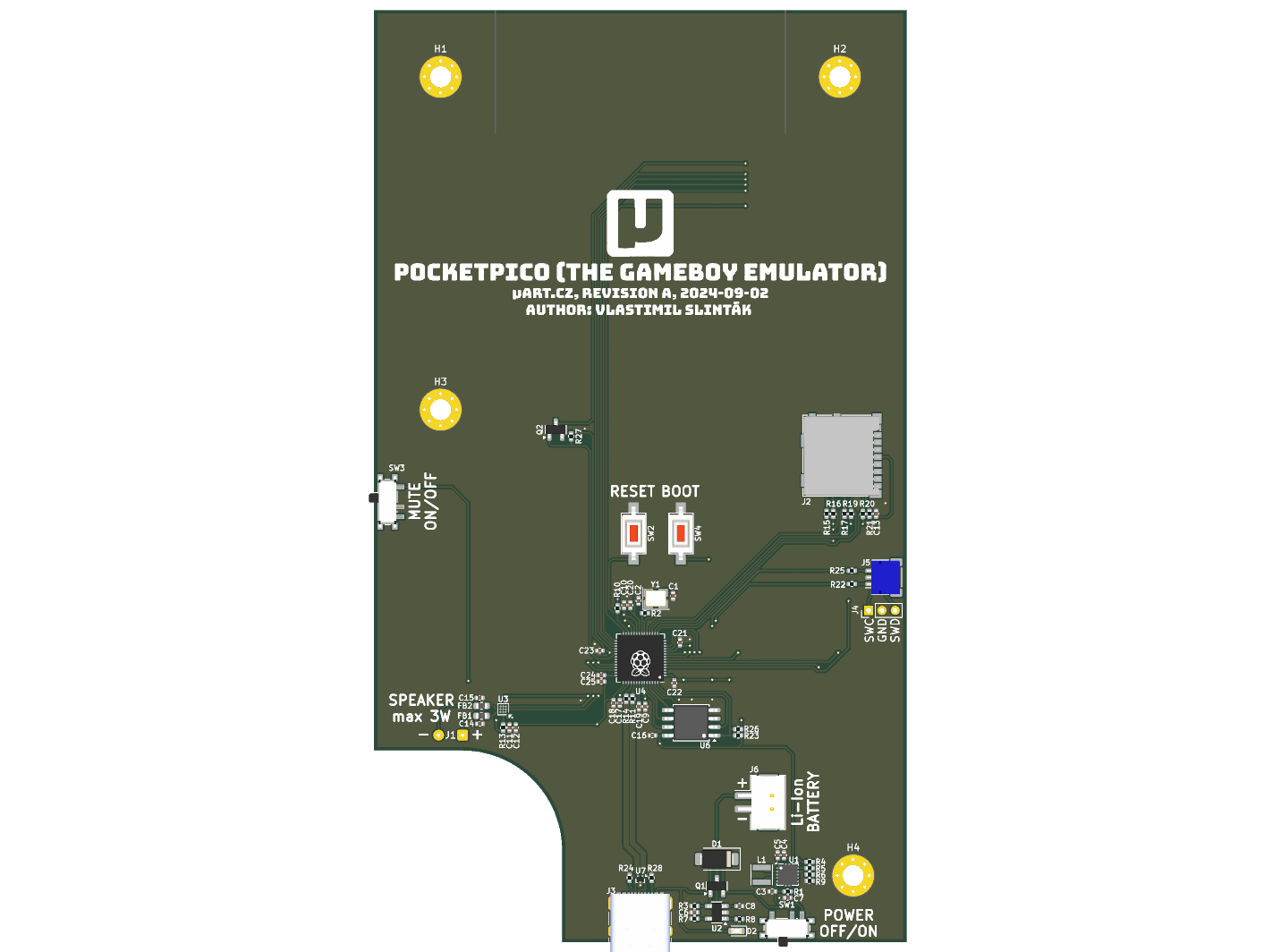
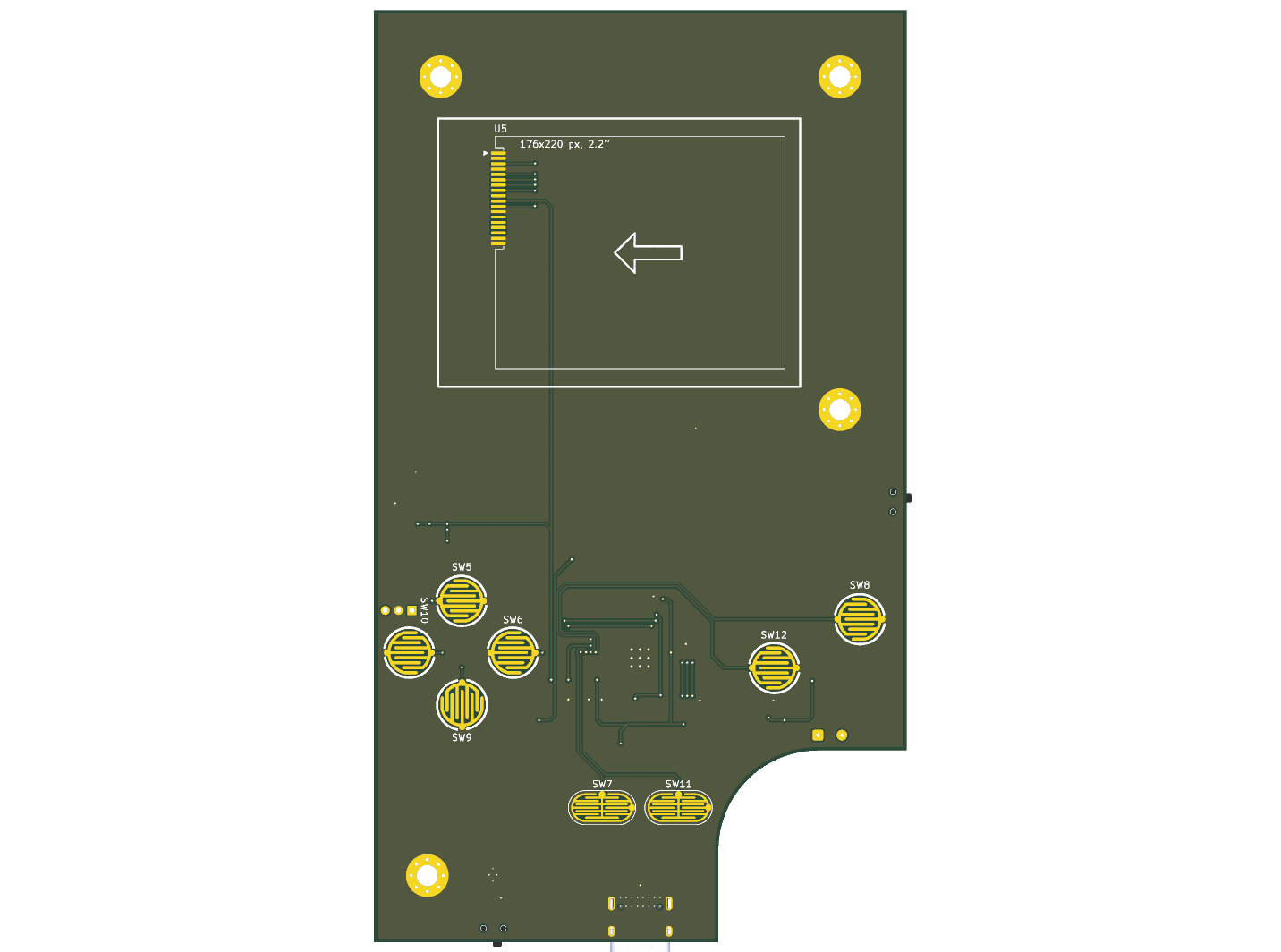
This is my long-running pet project: an emulator of the original GameBoy Color based on the popular Raspberry RP2040 microcontroller.
The emulator is powered from a 1S Li-Ion or Li-Po battery, which can also be charged over USB-C. This connector is also used for MCU programming. The display is the commonly available ILI9225 with a resolution of 176 x 220 pixels, the Class-D audio amplifier with up to 3 W output power is the MAX98357A. Games are stored on a microSD card.
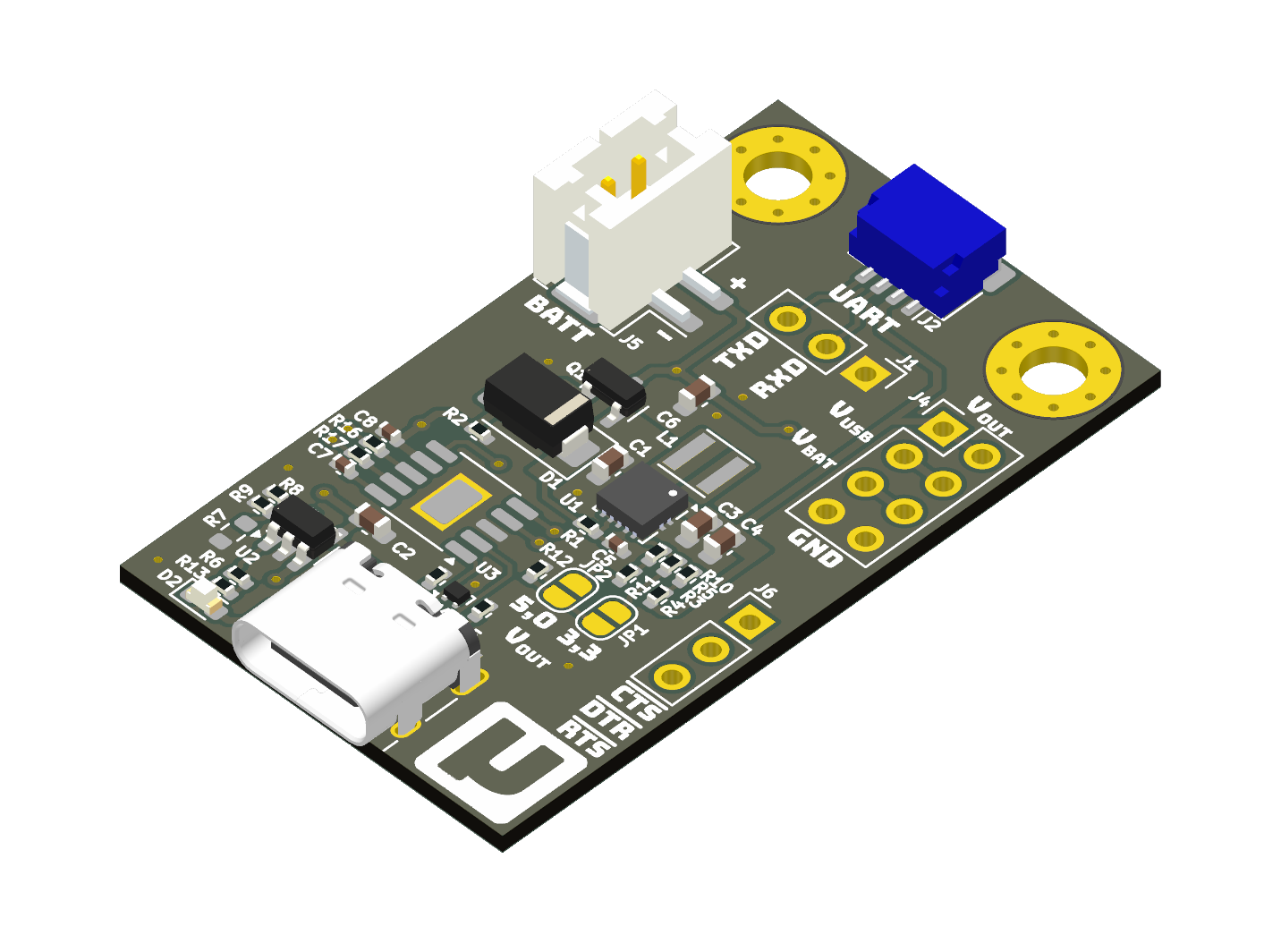
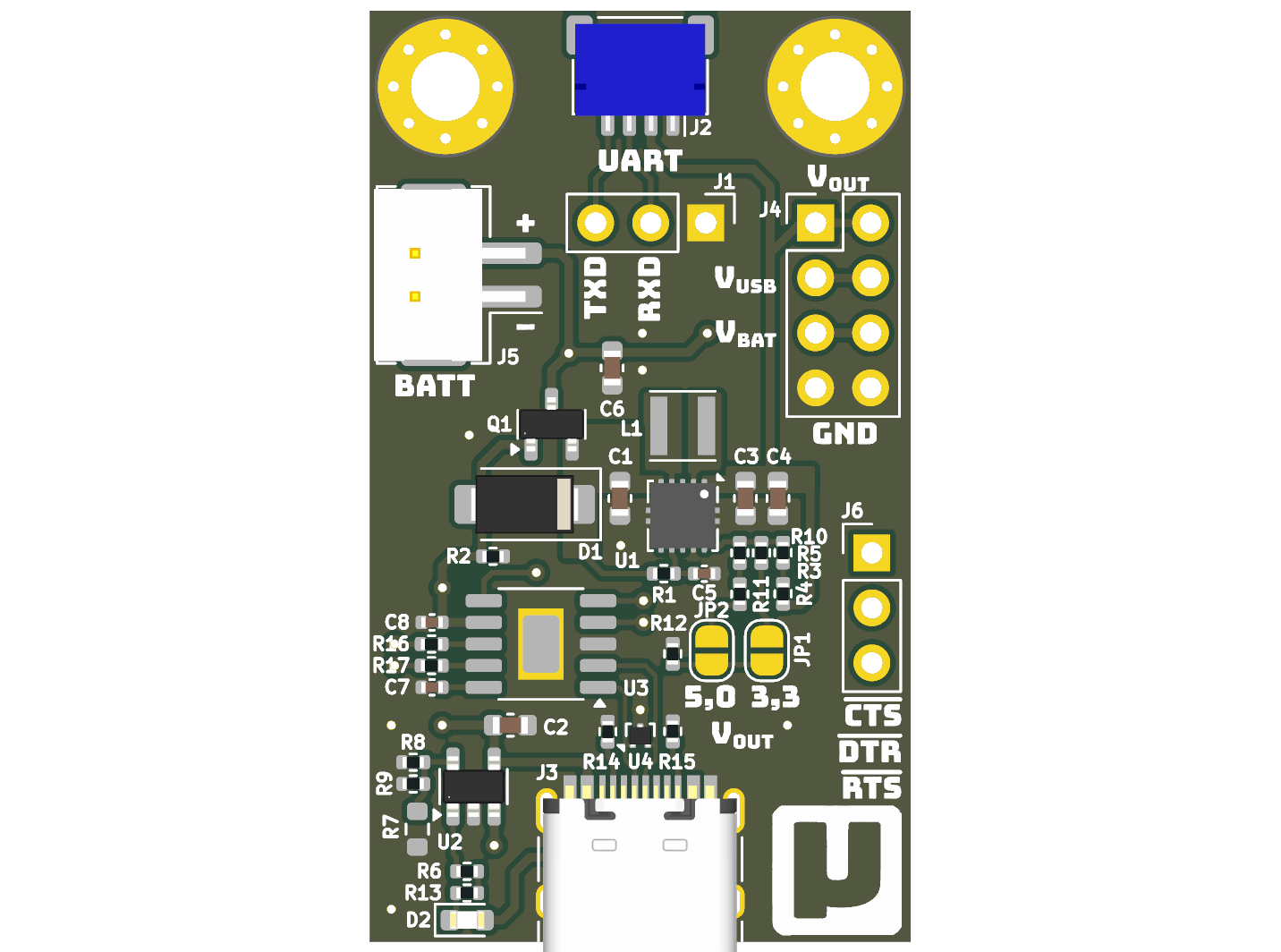
In my projects I often need a stable 3.3 V rail from a single-cell battery, a USB charger, and sometimes a USB-UART converter for programming or communication. This need led to the USB-C Battery Charger.
This practical USB-C charger is intended for 1S Li-Ion or Li-Poly batteries, has a preset charge current of 200 mA (easily adjustable), a USB-to-UART bridge (RX, TX, CTS, DTR, and RTS signals), and the option to set the output voltage to 3.3 V or 5.0 V. All of that fits on a 43 x 25 mm PCB.
The design is currently in the design and prototyping phase; more information and an option to order this charger in the e-shop will follow soon.
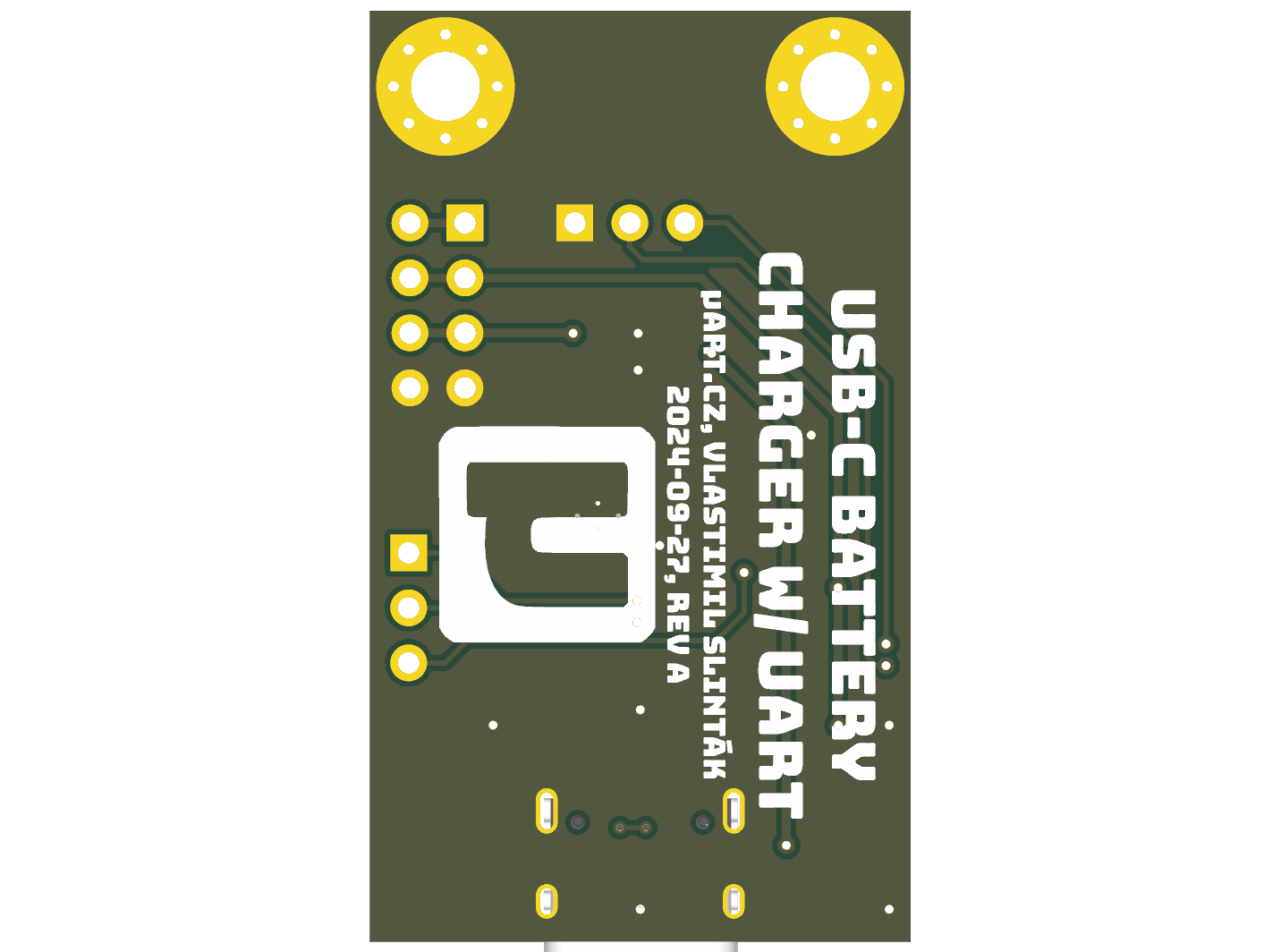
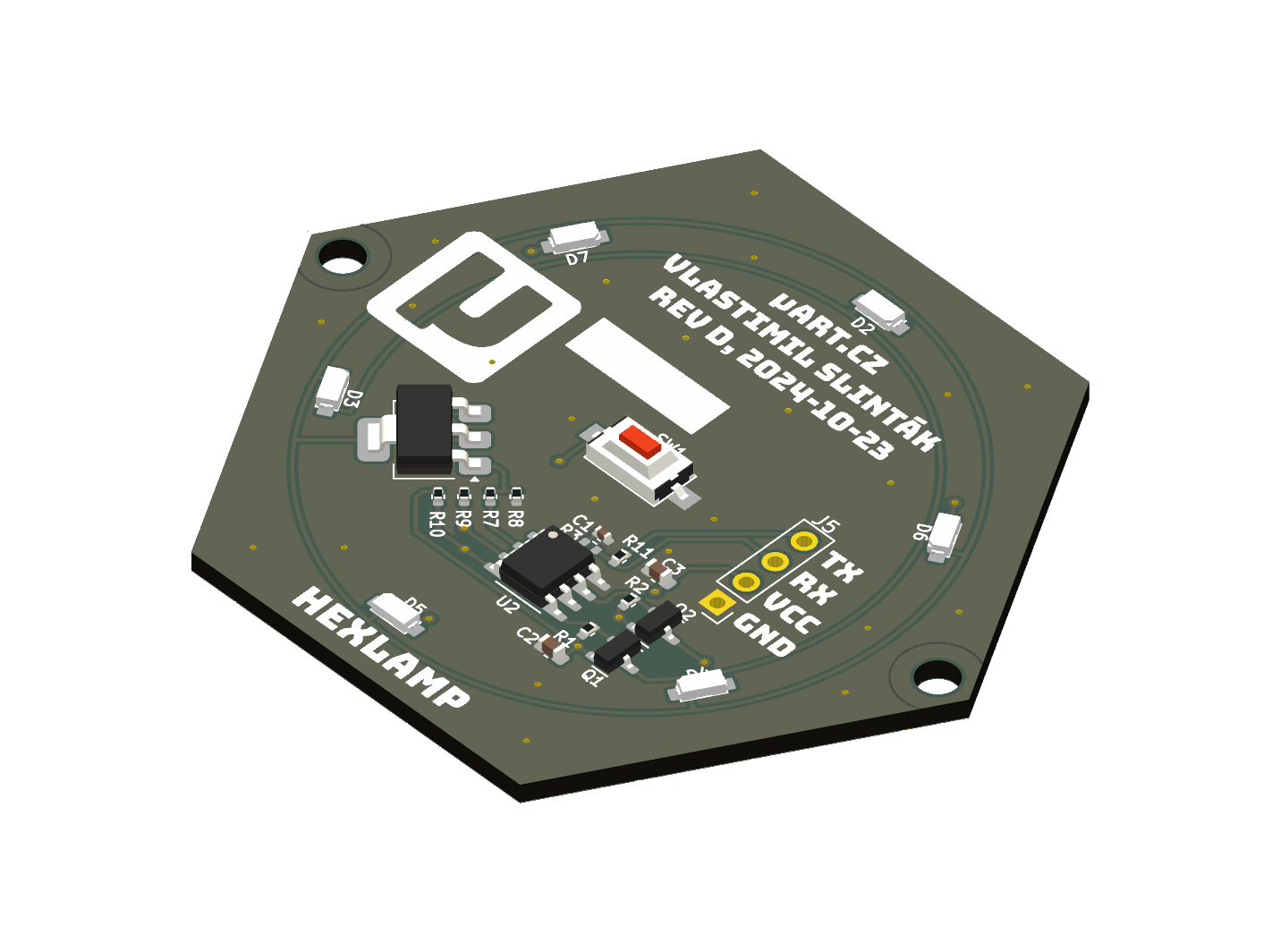
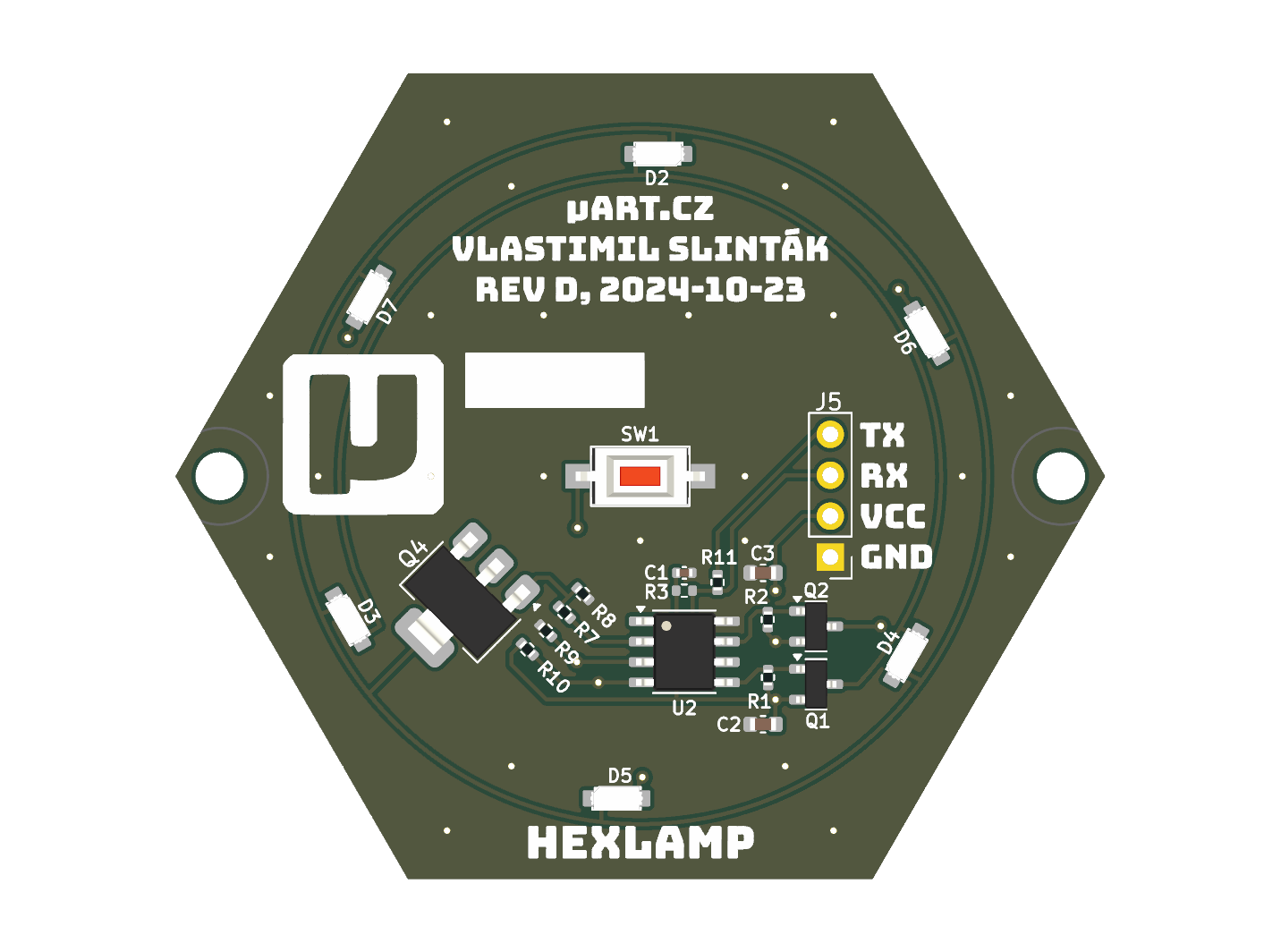
Night light with six high-brightness LEDs and an ATTiny212. The microcontroller uses the DAC to control light intensity and switch between warm and cool white.
The JST-SH programming and power connector is the same type as on the "USB-C charger", which is suitable for powering and programming this project.
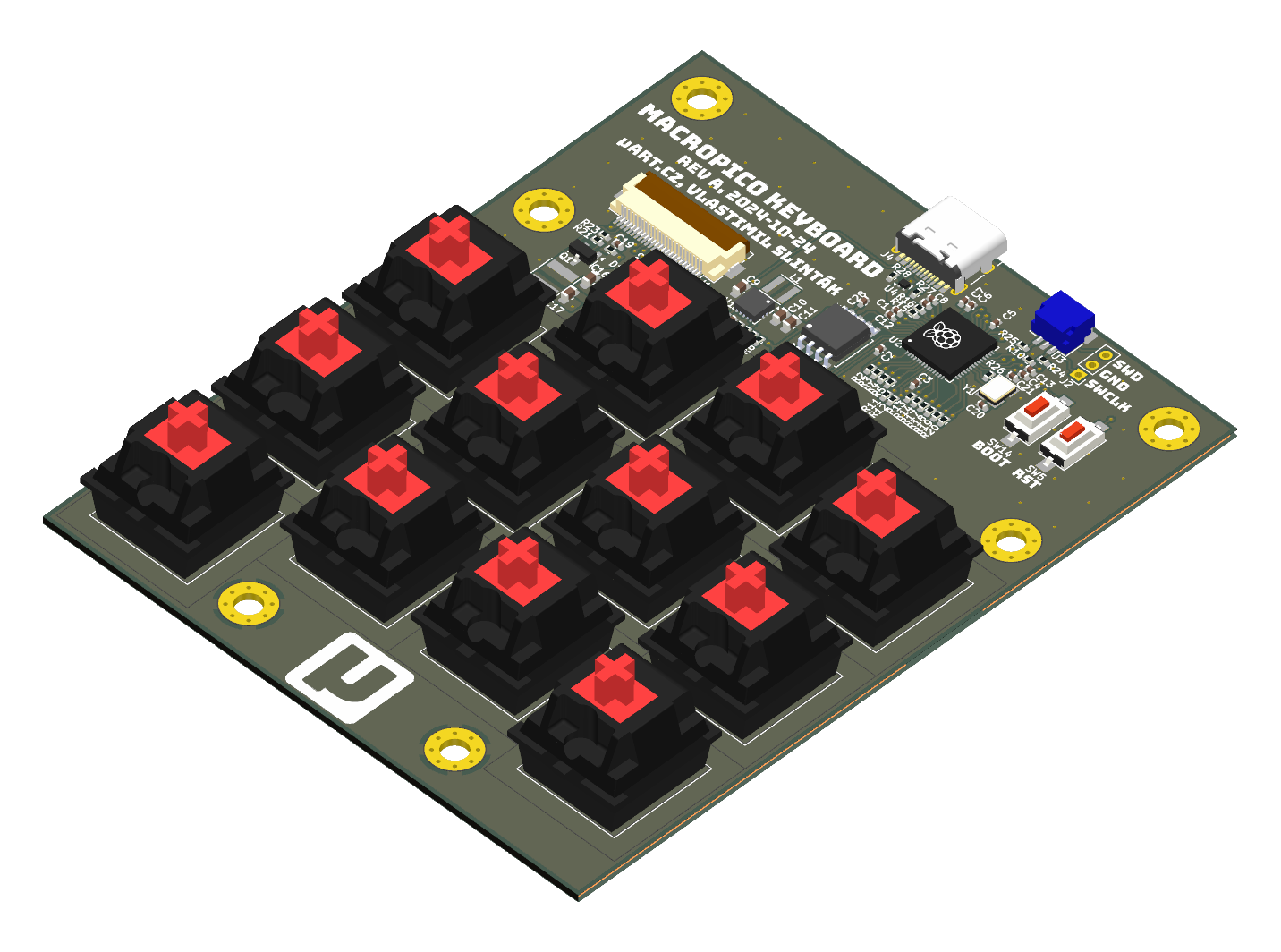
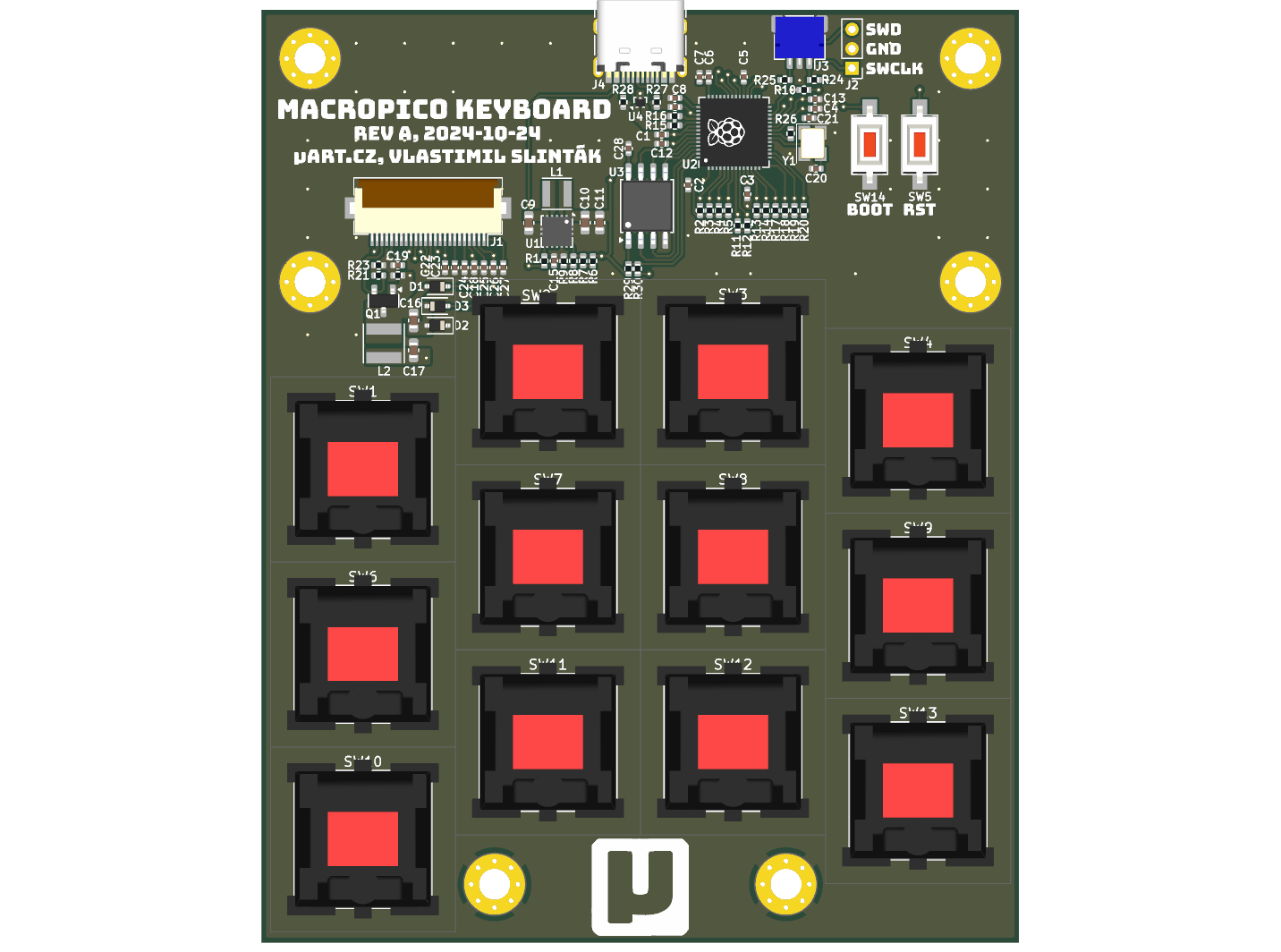
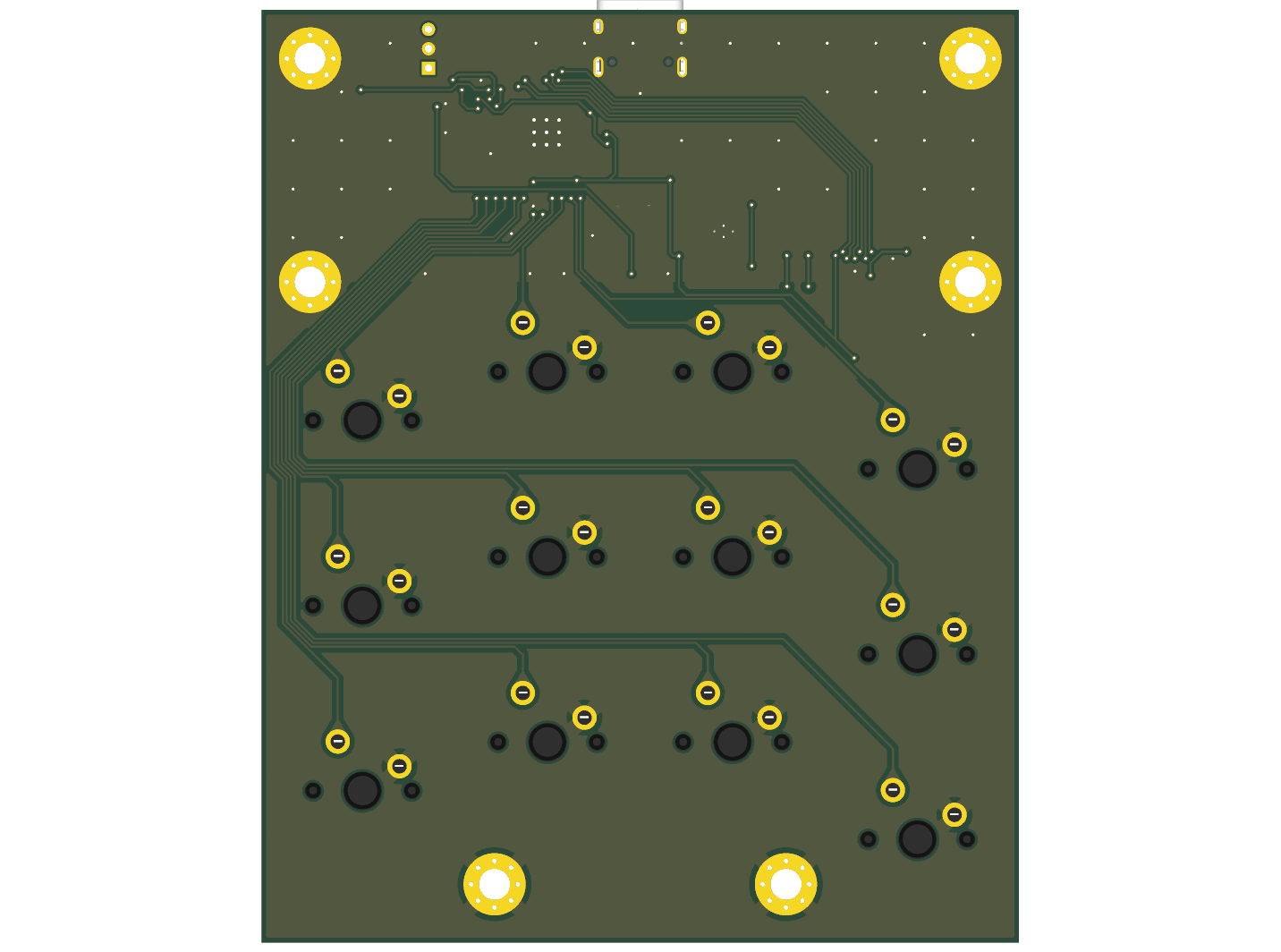
Macro keyboard with 12 MX Cherry keys and an e-ink display based on the Raspberry RP2040. The keyboard is compatible with KMK firmware.
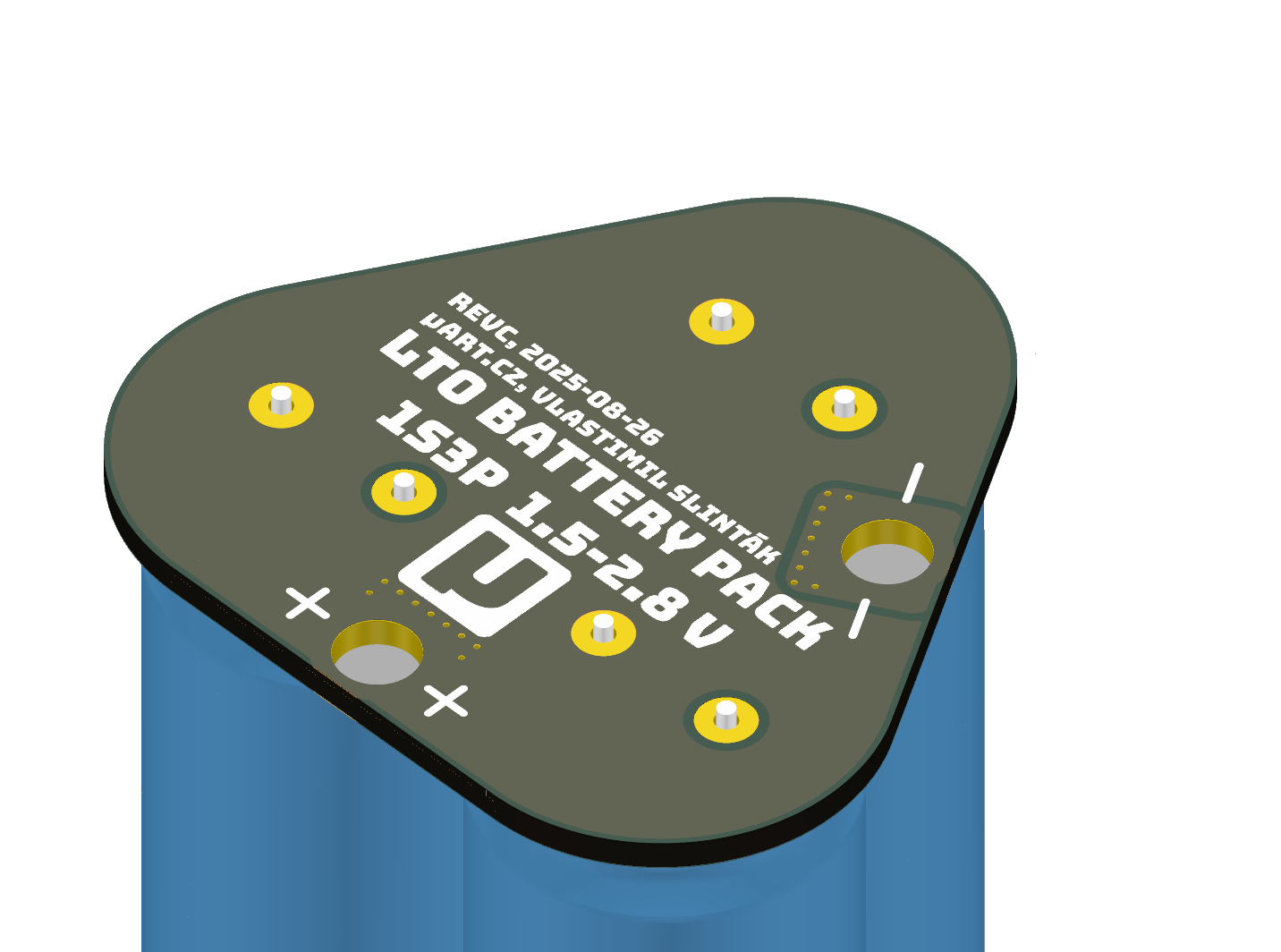
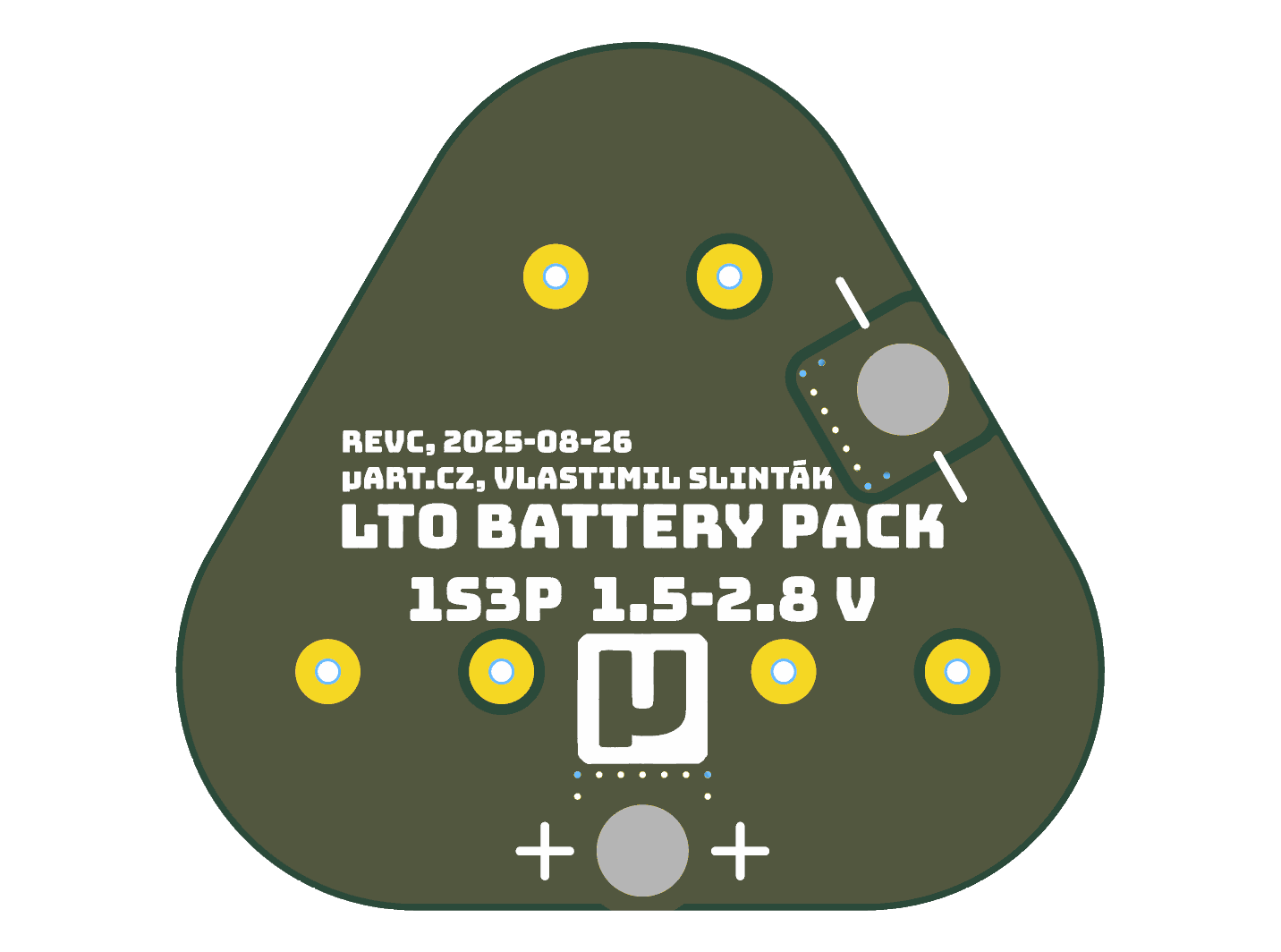
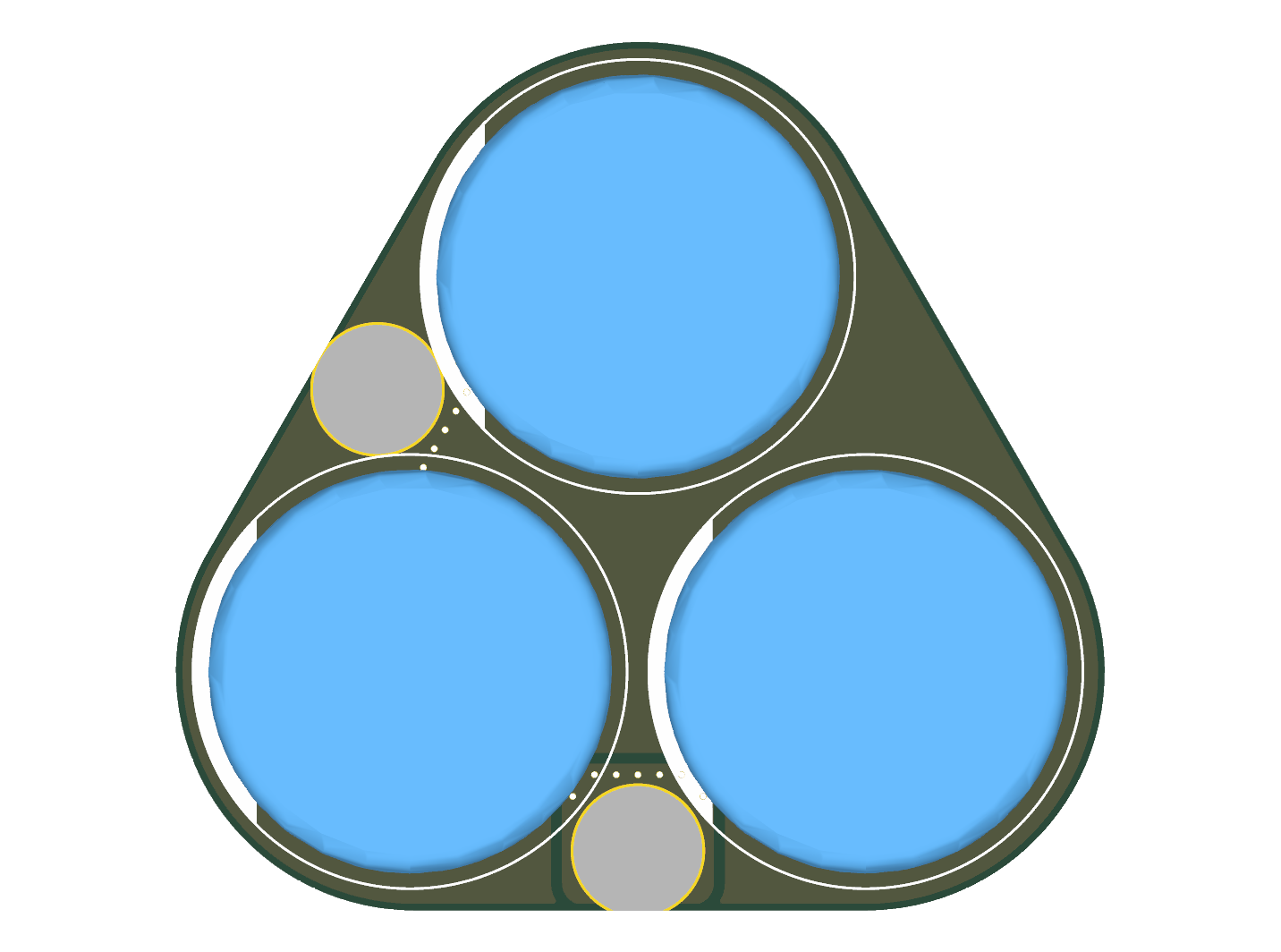
This PCB is intended for easy assembly of a 1S3P pack from three Lithium Titanium Oxide (LTO) 18650 cells with both terminals on the bottom. Compared to the previous revision, the connection between the PCB layers at the battery terminals (via stitching) was fixed, so cutting an M3 thread in the terminals will no longer break the layer connection.
In this configuration the nominal battery voltage is 2.4 V (range 1.5 to 2.8 V). Note that the battery has no protection against over-current or under/over-voltage, so additional protection and an appropriate charger are required.
LTO batteries are not voltage-compatible with Li-Ion, so Li-Ion protection or chargers cannot be used.
I originally designed this PCB for my Meshtastic solar node project, and it is paired with the LTO Battery Management System PCB.
Changes since revision B: